
Israel presents a paradox that UHNW clients who have visited invariably describe with the same word: energy. Tel Aviv, one of the most dynamic small cities on Earth, combining a Mediterranean beach culture with a technology startup ecosystem of global significance (the "Startup Nation" concentration of AI, cybersecurity, medtech, and agritech companies), a restaurant scene that has redefined Middle Eastern cuisine for global audiences, and a nightlife culture that continues until dawn, exists within 90 minutes of Jerusalem (one of the most historically sacred cities in the world) and the Dead Sea (the lowest point on Earth, with therapeutic mineral-rich waters). The private jet experience in Israel is enhanced by the country's extraordinary security infrastructure, which makes the FBO experience exceptionally professional.
Ben Gurion International: The Private Aviation Gateway
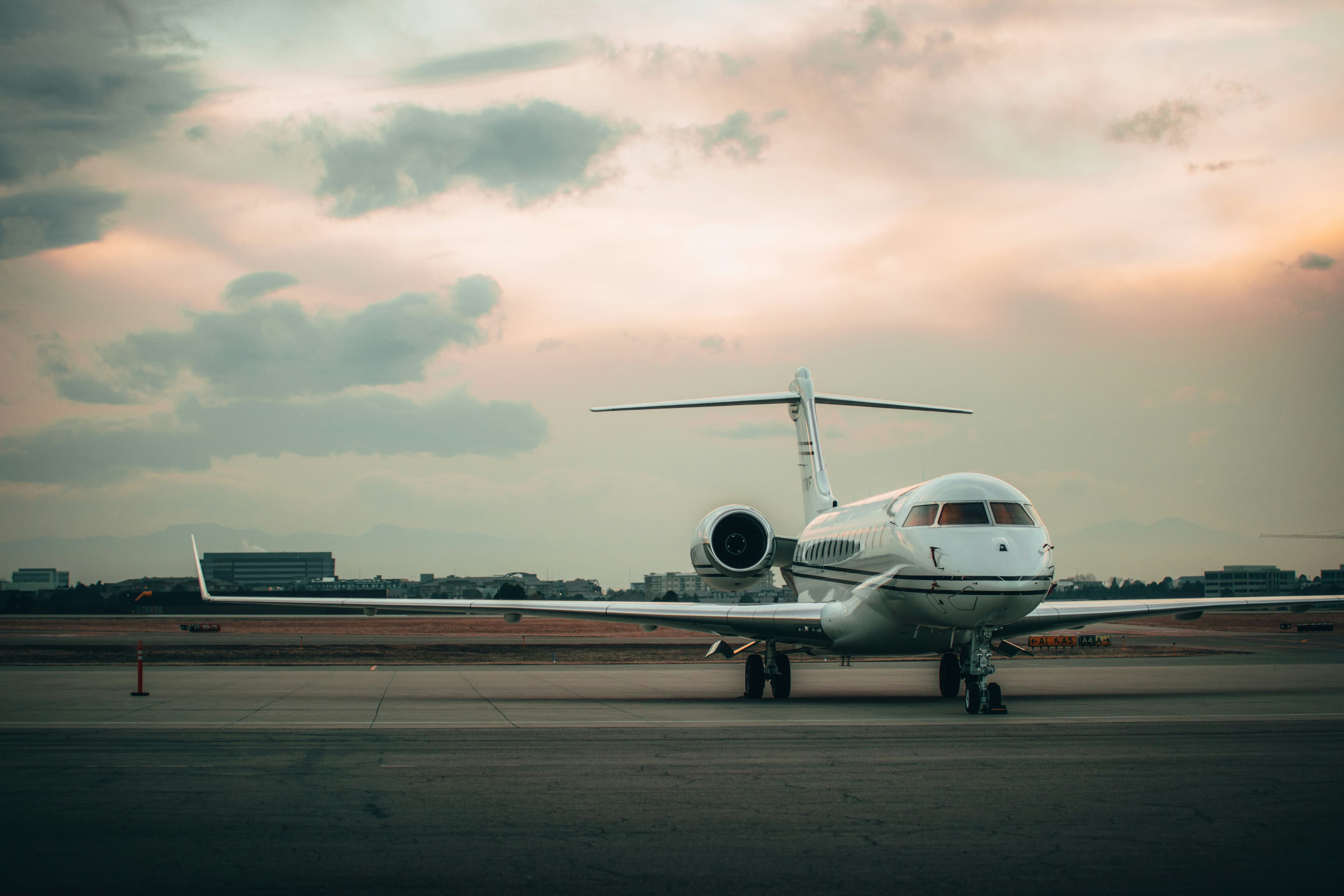
Ben Gurion International Airport (TLV), located 20 kilometres east of Tel Aviv, handles private aviation through the General Aviation Terminal, managed by Azbee Aviation FBO. The security protocols are the most rigorous of any private terminal in the world: even private jet passengers undergo the Ben Gurion security screening process, which is thorough but professional and typically takes 20-30 minutes. FFGR Jets briefs all clients on the BGA process before departure: coordinating with the FBO to pre-register the passenger manifest 48 hours in advance significantly reduces the terminal time.
Tel Aviv's UHNW residential and social geography centres on three areas: North Tel Aviv (the Bauhaus boulevards of the White City UNESCO World Heritage Site, the HaYarkon Park, the Old North's café culture), the Port (Tel Aviv Port, converted warehouses into bars and restaurants and a weekend market), and Neve Tzedek (the oldest neighbourhood, beautifully preserved century-old low-rise housing, the Suzanne Dellal Centre for dance, the best boutique shopping in the city). The Kimpton Vividora Tel Aviv and the Setai Tel Aviv (a historic Ottoman Clock Tower building with sea views) are the UHNW reference hotels.
The Tel Aviv Restaurant and Culinary Scene
Tel Aviv's culinary scene has become one of the most globally significant in the past decade, driven by the combination of the Israeli hummus-mezze-shawarma tradition, the French training of a generation of Israeli chefs who studied in Paris and Lyon before returning home, and the extraordinary produce available in the Levant. Eyal Shani's Miznon (now with outposts globally, but the original Tel Aviv location remains the reference) and his high-end Hasalon (a 14-seat intimate dinner experience above the Carmel Market) represent the spectrum from accessible to exclusive.
Jaffa, the ancient Arab port town now absorbed into Tel Aviv's southern boundary, has developed a restaurant quarter of extraordinary quality: the Claro (modern Israeli, courtyard setting in a 19th century Ottoman building), Dr. Shakshuka (the definitively authentic shakshouka experience), and Uri Buri (in Akko/Acre to the north, the definitive seafood experience in Israel) are among the most distinctive dining experiences in the Middle East. The Carmel Market (shuk HaCarmel), Tel Aviv's primary open-air market, running from Allenby Street to Jaffa Road, is the ingredient source for most of the city's best restaurants and an essential culinary experience for food-interested UHNW visitors.
Jerusalem: The Ancient City
Jerusalem, 60 kilometres southeast of Tel Aviv, 75 minutes by car, is one of the few cities in the world that requires no description for any culturally informed UHNW traveller. The Old City (the Jewish Quarter, the Christian Quarter, the Muslim Quarter, and the Armenian Quarter within the 16th-century Ottoman walls) contains the Western Wall, the Church of the Holy Sepulchre, the Dome of the Rock, the Via Dolorosa, and a density of religious and historical significance that is globally unparalleled. The Tower of David museum (the archaeological remains of Herod's citadel, with a night spectacular) and the Israel Museum (containing the Dead Sea Scrolls in the Shrine of the Book) are essential visits.
The Mamilla Hotel, directly adjacent to the Jaffa Gate of the Old City, with views of the walls from the rooftop pool, is the reference UHNW address in Jerusalem. FFGR Jets coordinates private Old City tours with English-speaking archaeologist guides (not standard tourist guides, qualified archaeologists who can contextualise the physical remains within their historical framework) and access to the Western Wall Tunnels (the subterranean excavation that reveals the full height of the Second Temple period wall), which require advance booking through the Western Wall Heritage Foundation.
The Dead Sea, Masada, and the Negev
The Dead Sea, 90 minutes south of Jerusalem, at 430 metres below sea level, has developed a luxury resort stock centred on the Kempinski Hotel Ishtar Dead Sea and the Beresheet Hotel (a clifftop property overlooking Makhtesh Ramon, the geological crater in the Negev that is one of the most dramatic landscapes in the Middle East). The Dead Sea flotation experience (the extreme salinity creates the buoyancy that makes swimming impossible in the conventional sense) and the black mineral mud treatment (high-end spas at the Kempinski use the native mud as the foundation of a full treatment programme) are experiences specific to this geography and available nowhere else on Earth.
Masada, the Herodian fortress rising 400 metres above the Dead Sea plain, site of the first-century CE siege by Roman legions, is accessible from Arad by a 20-minute cable car ascent; FFGR Jets coordinates early morning visits before the heat and tourist volume (the site opens at 8am; pre-arranged access before the cable car opens is available for groups with advance notice). The snake path ascent (45-60 minutes hiking) and the Roman assault ramp ascent provide two access modes for the physical and the less physically inclined members of a group.
Fly Private to Tel Aviv and Israel
Or by email: contact@ffgrjets.com