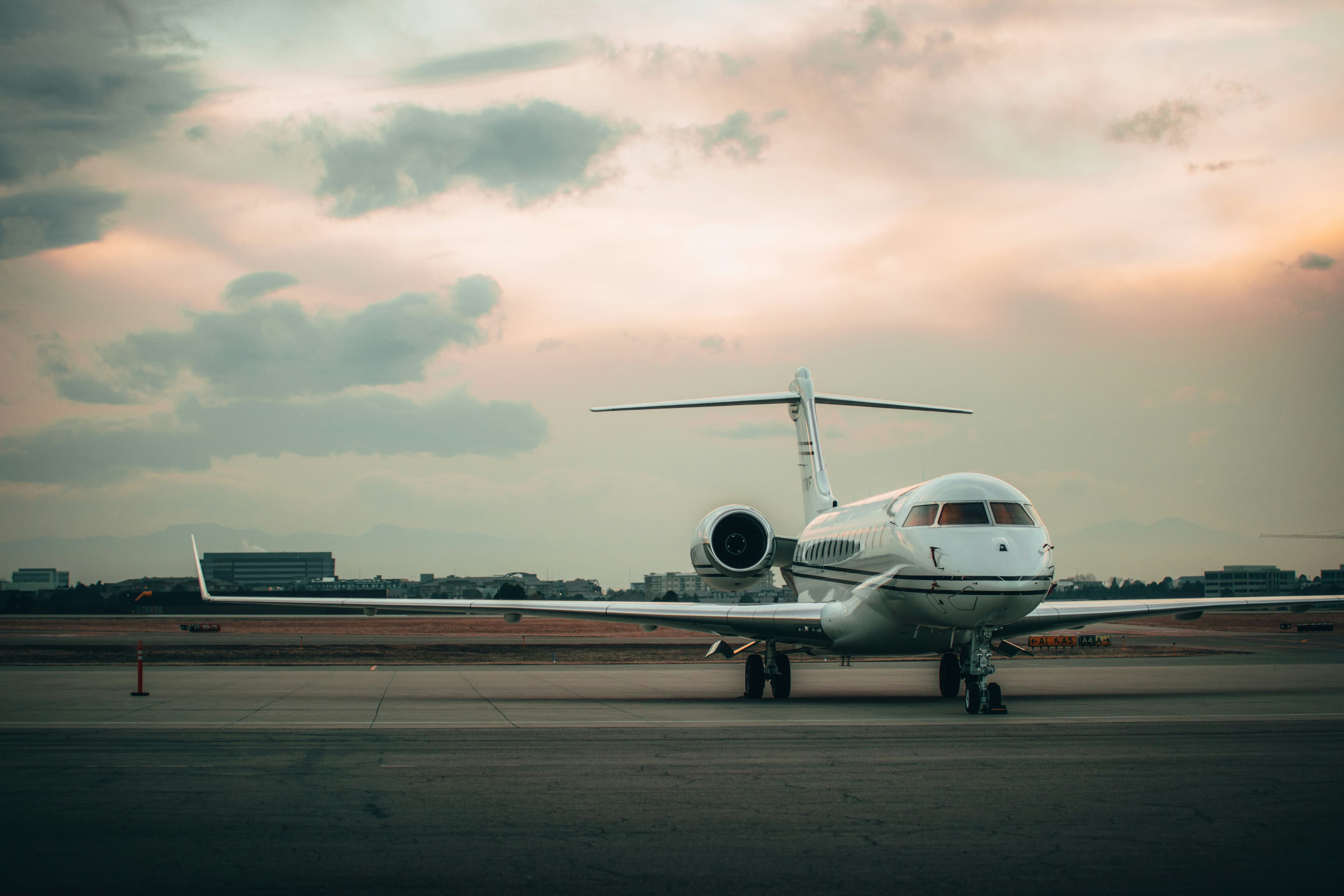

The South of France, from the Camargue marshlands in the west to the Italian border in the east, from the Rhône valley in the north to the Mediterranean coast in the south, contains the highest concentration of UHNW leisure destinations in Europe. The French Riviera (Côte d'Azur) is the anchor; Provence (Luberon, Alpilles, the Aix countryside) provides cultural and gastronomic depth; the Languedoc (Montpellier, Sète, Carcassonne) and Bordeaux-adjacent areas extend the circuit westward. Private aviation serves this entire region through a network of airports that places every UHNW destination within 30 minutes of an FBO: Nice (NCE), Cannes (CEQ), Toulon-Hyères (TLN), Montpellier (MPL), Nîmes (FNI), and the helicopter network that fills the gaps between them.
Nice and the Côte d'Azur: The Riviera Core
Nice Côte d'Azur (NCE) is the busiest private aviation airport in France after Paris Le Bourget, handling approximately 50,000 private jet movements annually. The FBO infrastructure at NCE includes Jetex, TAG Aviation, and Signature Flight Support, all offering full private terminal services. Nice is the gateway to the entire Côte d'Azur: Monaco is 20 minutes east by car (or 7 minutes by helicopter), Cannes is 30 minutes west, Saint-Jean-Cap-Ferrat (Europe's most expensive address per square metre of real estate) is 15 minutes east. The Carlton Intercontinental in Cannes, the Hôtel du Cap-Eden-Roc at Cap d'Antibes, the Grand-Hôtel du Cap-Ferrat (Four Seasons), and the Hôtel de Paris in Monaco define the reference addresses for UHNW Riviera arrivals.
The Riviera summer season runs June to September, with July and August at full capacity. FFGR Jets recommends June and September for the most pleasant experience: the Cannes Film Festival (May) and the Monaco Grand Prix (May) create enormous demand spikes that make them challenging unless planned 12+ months in advance. The Riviera circuit combines water, superyacht or day-boat anchored at the Iles de Lérins or Cap Ferrat, swimming at Pampelonne Beach in Saint-Tropez, with land excursions to the perched villages (Eze, Les Baux, Gordes), the flower market in Grasse, and the Fondation Maeght in Saint-Paul-de-Vence (one of France's finest modern art institutions).
Saint-Tropez: The Alternative Riviera Gateway
Saint-Tropez has no commercial airport; private aviation access uses the aerodrome at La Môle (LTT), approximately 15 kilometres from the village, or helicopter transfer from Nice (25 minutes). La Môle is a small airfield with limited services and a grass runway that accepts light and midsize jets; heavier aircraft route through Nice or Toulon-Hyères (TLN, 80 kilometres west). The FFGR Jets standard approach for Saint-Tropez arrivals with larger jets is Nice landing, FBO services, helicopter to Saint-Tropez marina (15 minutes) or to a superyacht at anchor in the Golfe de Saint-Tropez.
Saint-Tropez's social geography centres on Pampelonne Beach (reached by bicycle or boat from the village) with its legendary beach clubs, Club 55, Nikki Beach, Tahiti Plage, and on the village port (the Giraglia café, the fish market, the Annonciade museum). Place des Lices with its twice-weekly market is the authentic Saint-Tropez experience. The reference villas around Saint-Tropez, Ramatuelle, Gassin, La Croix-Valmer, are available for weekly rental at €50,000-€250,000 per week in July-August. Saint-Tropez works best as part of a broader Provence circuit that adds one or two nights in the Luberon (Gordes, Ménerbes, Bonnieux) and possibly the Château La Coste art estate near Aix-en-Provence.
Provence: Interior Luxury
Provence's UHNW appeal lies in the combination of extraordinary landscape (the Luberon massif, the Alpilles, the Gorges du Verdon), exceptional gastronomy (Michelin three-star restaurants including Oustau de Baumanière in Les Baux and La Chèvre d'Or in Eze), and a real estate market of global reference (Peter Mayle's "A Year in Provence" created an entire mythology that became real estate). The private aviation access to Provence interior is through Avignon (AVN, for the Luberon), Marseille-Provence (MRS, for Aix and the Sainte-Victoire), or Nice (NCE, for the eastern Luberon via the A8 motorway).
The Luberon villages, Gordes (the most visited, most photographed, and most expensive), Ménerbes, Lacoste (the Marquis de Sade's château, now owned by Pierre Cardin), Bonnieux, Lourmarin, all sit within 30 kilometres of Avignon Airport. The Château de Berne estate near Lorgues combines wine production, a luxury hotel, and a Michelin-starred restaurant. The Sainte-Victoire mountain (Cézanne's constant subject) looms over Aix-en-Provence, whose Thursday antique market and cours Mirabeau lined with 17th-century fountains provide a civilised urban contrast to the rural Luberon.
The Languedoc and Camargue: The Wild South
West of the Rhône, the South of France takes on a wilder, less touristically manicured character. The Languedoc, Montpellier, Carcassonne, Sète, the Hérault wine country, provides the same quality of landscape and gastronomy as Provence but with a fraction of the crowds. Montpellier Airport (MPL) provides private aviation access to the region; Carcassonne Airport (CCF) serves the medieval city's extraordinary walled citadel (La Cité). The Camargue, the wetland delta at the mouth of the Rhône, home to the white Camargue horses, flamingos, and black bulls, requires a 4WD transfer from Nîmes (FNI) or Montpellier.
The Languedoc wine region is undergoing a quality revolution: estates like Mas de Daumas Gassac, Grange des Pères, and Domaine Gauby produce wines of world-class quality at a fraction of Burgundy or Bordeaux prices. Wine estate visits in the Languedoc, combined with the cultural riches of Montpellier (the Place de la Comédie, the Musée Fabre, the Place de la Comédie), make for an outstanding three-night circuit that complements a week on the Riviera.
Fly Private to the South of France
Or by email: contact@ffgrjets.com