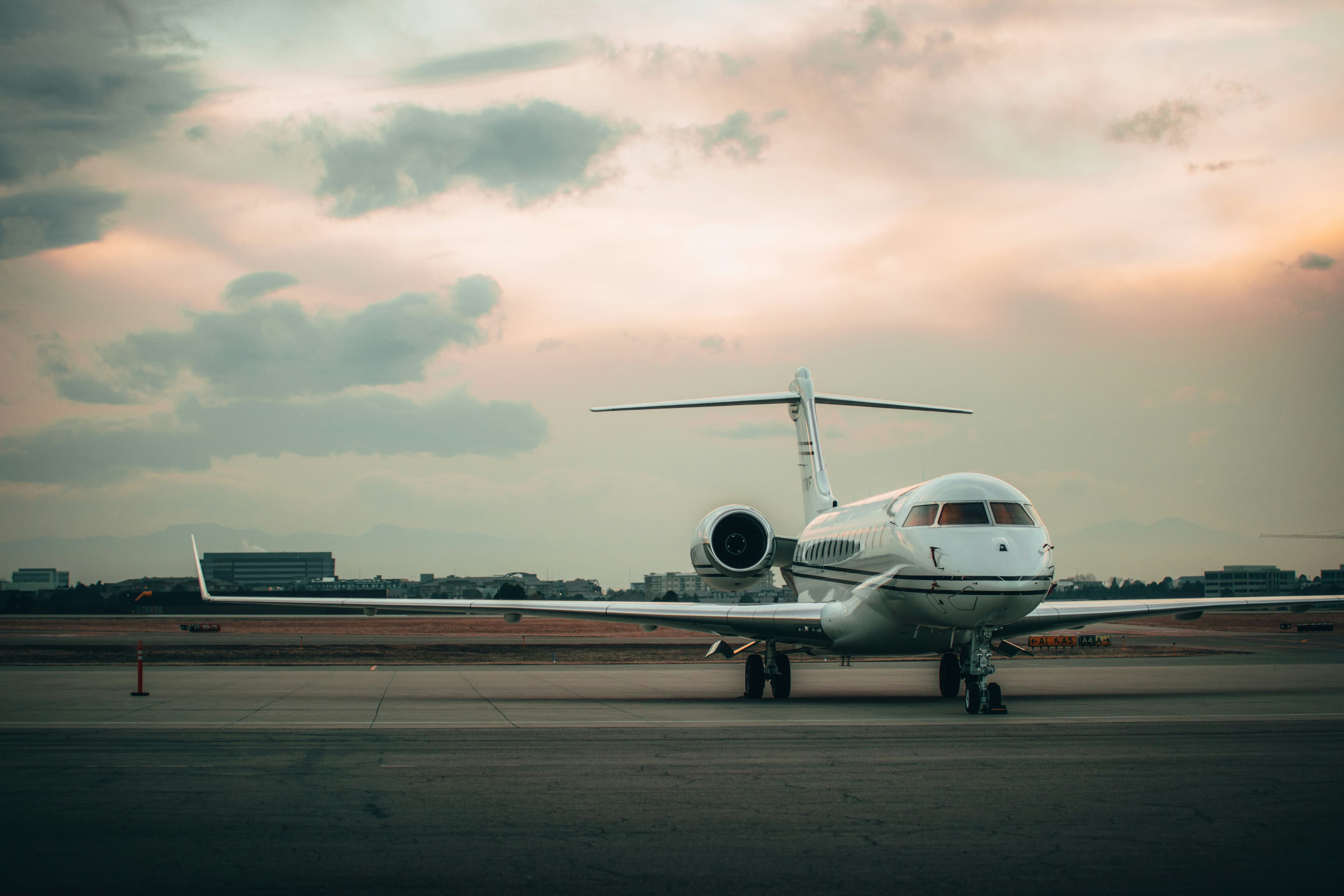

Hong Kong remains one of the most extraordinary private aviation destinations in Asia: a city of extraordinary physical drama (the harbour, the Peak, the outlying islands), a financial centre of continuing global significance despite geopolitical pressures, a culinary capital that combines the finest Chinese regional cuisine with world-class European fine dining, and a shopping environment that for luxury goods continues to occupy a position alongside Paris, Tokyo, and New York. The private aviation market in Hong Kong, handled through the Business Aviation Centre (BAC) at Hong Kong International Airport, is one of the most sophisticated in Asia, with infrastructure and service standards that match any major European FBO.
Hong Kong International Airport: The Business Aviation Centre
Hong Kong International Airport (VHHH) at Chek Lap Kok, on reclaimed land off Lantau Island, handles private aviation through the Business Aviation Centre (BAC), a dedicated private terminal operated by Haeco and Signature Flight Support. The BAC provides the full range of FBO services including dedicated customs and immigration (typically 20-30 minutes for pre-cleared manifests), dedicated vehicle access to the tarmac, and private lounges that compare favourably with any airport in the region.
The airport-to-city transfer from Chek Lap Kok requires consideration: the Airport Express (24 minutes to Hong Kong Station at Central, the fastest airport-city rail connection in the world) and the helicopter service from the Shun Tak Centre helipad (12 minutes to Central by helicopter, a service that resumes and suspends based on operational and regulatory conditions) compete with ground transport. FFGR Jets coordinates the preferred transfer mode based on destination and timing: helicopter for Central and Wan Chai destinations in optimal conditions, the Airport Express with dedicated car from Hong Kong Station for most other destinations.
The Peak and Hong Kong's UHNW Residential Geography
Victoria Peak, the 552-metre mountain rising above Central, is Hong Kong's most prestigious residential address: a combination of extraordinary harbour views, altitude-controlled cooler temperatures, and the historical association with colonial-era European occupancy has created a property market where square footage prices regularly exceed USD 10,000 per square foot. The Peak residential community is almost entirely single-family houses (unusual for Hong Kong's vertical density) with gardens that are exceptional by any Asian city standard.
The UHNW accommodation circuit in Hong Kong is anchored by the Mandarin Oriental (the original definition of Hong Kong luxury, 50+ years of continuous refinement, the best harbour-view rooms in the city), The Upper House (a quieter, more contemporary alternative above Pacific Place in Admiralty), and the Peninsula Hong Kong (the grande dame of Hong Kong hotels, the Gold Coast Rolls-Royce fleet remaining the most theatrical hotel arrival in the city). The Four Seasons at IFC Mall provides direct access to the International Finance Centre shopping circuit and the most convenient connection to the Central financial district.
The Culinary Circuit: Cantonese and Beyond
Hong Kong's culinary excellence is grounded in Cantonese cuisine, the most refined and technically demanding of China's eight regional cuisines, and expressed through a restaurant density that produces more Michelin stars per square kilometre than any city outside Paris and Kyoto. Lung King Heen (Four Seasons, the first Chinese restaurant in the world to receive three Michelin stars, still the reference for elevated Cantonese cuisine), Tin Lung Heen (Ritz-Carlton 102nd floor, harbour views to the south, extraordinary dim sum), and Amber (Richard Ekkebus's two-star kitchen at Landmark Mandarin Oriental, the reference for European fine dining in Asia) define the highest tier.
The temple street markets and the Sham Shui Po fabric district of Kowloon represent the street-level culinary and cultural circuit that UHNW clients increasingly seek as a counterpoint to the formal fine dining experience: Temple Street Night Market (snake soup, roast meats, congee from the cart vendors), and the Yung Kee Restaurant in Central (preserved in amber since 1942, the definitive roast goose in the territory). FFGR Jets arranges cultural immersion programmes including private cooking classes with Cantonese chefs at SCMP Foodhall and evening market tours with culinary guides.
The Outlying Islands and Lantau
Hong Kong's outlying islands, Lantau (the largest, containing the airport, Disneyland, and the Tian Tan Buddha at Ngong Ping), Cheung Chau (fishing village, traditional junks, no cars), Lamma (ferry-accessible seafood restaurant circuit), and Po Toi (the most remote, southernmost island, accessible only by chartered sampan or ferry on weekends), provide an escape from the urban density that surprises first-time visitors. Lantau's Ngong Ping 360 cable car (5.7 kilometres over the mountains and sea, landing at the Giant Buddha) and the Wisdom Path (30 wooden columns inscribed with the Heart Sutra, set in a natural valley behind the Buddha) provide a cultural experience of genuine depth.
The Sai Kung Peninsula on the New Territories mainland, accessible in 45 minutes from Central, is the UHNW water sports and hiking geography of Hong Kong: the HK UNESCO Global Geopark (extraordinary hexagonal rock column formations identical to the Giant's Causeway), Clear Water Bay (the finest swimming beaches within Hong Kong), and the Sai Kung Town seafood market (where live seafood is purchased from sampan vendors and cooked on the spot at adjacent restaurant tables). FFGR Jets structures combined city-and-islands Hong Kong programmes that reveal the full range of the SAR's extraordinary geographic and cultural complexity.