
Barcelona occupies a unique position in the European UHNW travel circuit: it is simultaneously a world-class cultural capital (Gaudí, the Museu Picasso, the MACBA, and a thriving contemporary gallery scene), a Michelin-constellation gastronomic destination (Albert Adrià, Dani García, and the legacy of elBulli still shaping the global culinary landscape), and a Mediterranean resort, the beach at Barceloneta is 15 minutes from the Gran Teatre del Liceu. No other city in Europe offers this combination of cultural depth, weather, food, and beach quality within a 90-minute private jet sector from Paris, London, or Geneva. This guide covers the private aviation approach, ground logistics, the cultural programme, and the residential and gastronomic landscape that makes Barcelona a perennial fixture in the FFGR Jets destination portfolio.
Barcelona Private Aviation: El Prat Business Terminal and Sabadell
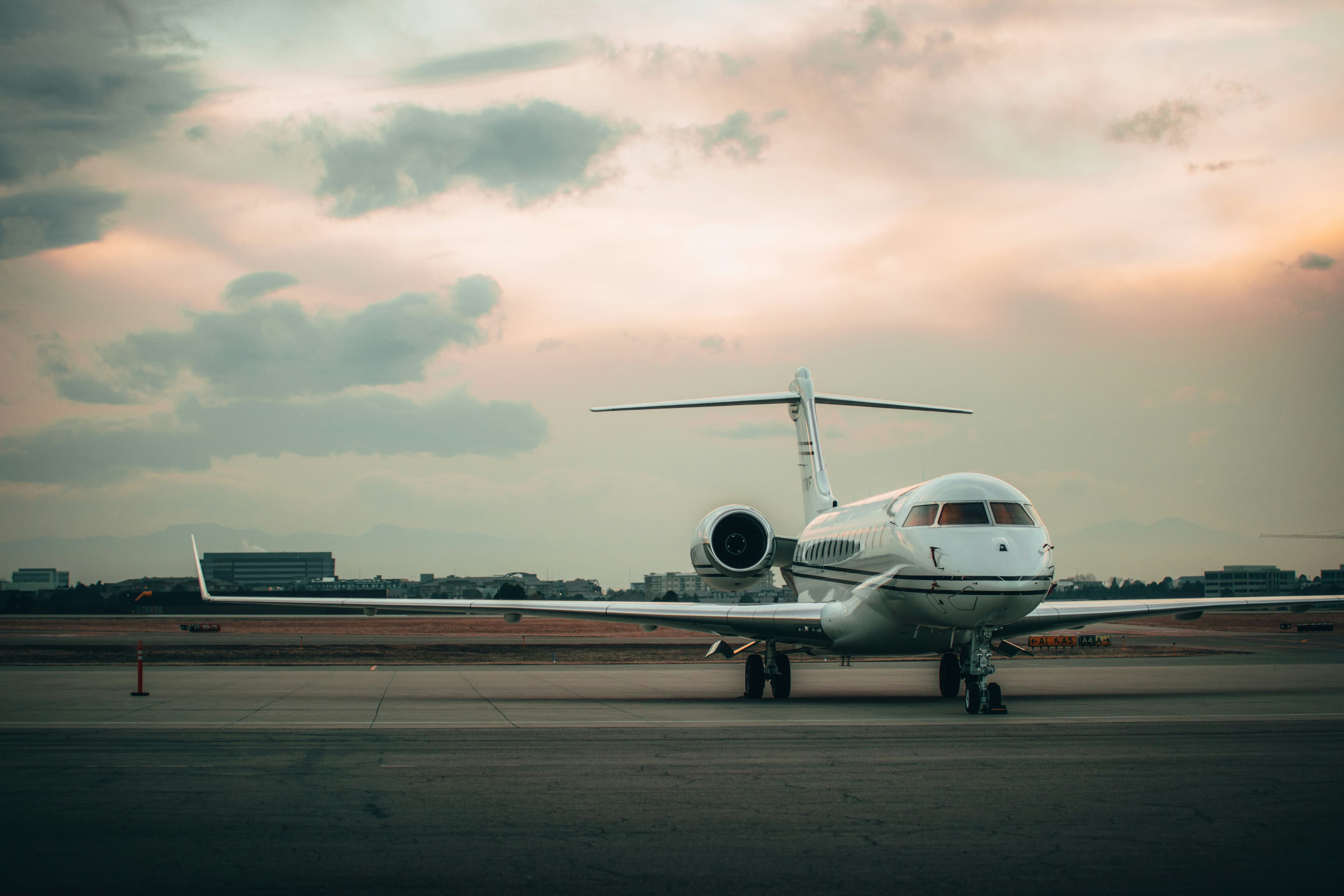
Barcelona-El Prat International Airport (BCN) handles private aviation through its dedicated General Aviation Terminal, located on the south side of the airport, separate from the commercial terminals. The operator at El Prat's business aviation facility is primarily TAG Aviation, which manages a private lounge with immigration clearance on-site. The ground transfer from El Prat to central Barcelona (the Gothic Quarter, Eixample, Gràcia) is approximately 25-35 minutes depending on traffic, a shorter transfer window than most European capital airports.
Barcelona-Sabadell Airport (QSA), 20 kilometres north of central Barcelona, is the alternative for smaller aircraft (up to midsize jets) and for clients seeking faster customs clearance and closer proximity to some northern neighbourhoods. Sabadell handles aircraft up to the Learjet 60 and Citation XL+ class comfortably. For large-cabin aircraft (Gulfstream G550, Global 7500), El Prat is the correct facility. FFGR Jets uses El Prat as the primary arrival point for all client traffic, with Sabadell as the alternative for positioning aircraft and ferry flights.
The drive from El Prat into the city passes through the free zone industrial areas south of the port, then enters the city via the Gran Via de les Corts Catalanes, the main east-west axis that runs through the Eixample. A good driver familiar with traffic patterns will use the Ronda del Litoral coastal motorway to enter the city from the port side during peak hours, bypassing the Zona Franca industrial bottleneck. FFGR Jets coordinates all Barcelona ground transfers with its preferred Spanish chauffeured service partner, which maintains Rolls-Royce Phantom and Ghost at El Prat as standard vehicles.
The Cultural Programme: Architecture, Museums, and Contemporary Art
Gaudí's architecture is the defining cultural attraction of Barcelona and justifiably commands advance planning. The Sagrada Família, the unfinished basilica that Gaudí dedicated his last 40 years to, is the most-visited monument in Spain. For UHNW visitors, the experience is transformed by private guided access arrangements: FFGR Jets concierge partners can arrange guided access to the towers (typically booked months in advance through standard channels), private architecture tours of all Gaudí buildings including Casa Batlló, Casa Milà (La Pedrera), the Palau Güell, and the Park Güell pavilions, as well as access to the Sagrada Família's crypt and the architect's workshop-studio beneath the apse.
The Museu Picasso (Palau dels Agullers, Gothic Quarter) houses the most comprehensive collection of Picasso's early work, documenting his formative Barcelona years before his move to Paris. For contemporary art, the Fundació Joan Miró on Montjuïc and the MACBA (Museu d'Art Contemporani de Barcelona) in El Raval represent the city's institutional commitment to 20th-century masters and contemporary practice respectively. The commercial gallery scene, increasingly relevant to international collectors, is concentrated in the Eixample between Passeig de Gràcia and Carrer de Provença, with galleries including Galería Marlborough, Galería Joan Prats, and Bombon Projects representing international and Catalan artists.
Primavera Sound (late May-early June) and Sónar Festival (June) are Barcelona's signature cultural events for the global creative community, both attract an increasingly UHNW participant list as music and art collect into the same social milieu. Design Week (October) and Art Week Barcelona (with galleries opening simultaneously in May) are the secondary calendar events. FFGR Jets regularly coordinates private jet arrivals timed to Sónar's international programming weekends and Primavera's headline nights.
Gastronomy: The Post-elBulli Landscape
The closure of elBulli in 2011 (Ferran Adrià's restaurant at Cala Montjoi, a 90-minute drive north of Barcelona) did not diminish the city's gastronomic significance, it dispersed talent through a generation of chefs whose restaurants now define the Barcelona fine dining landscape. Albert Adrià (Ferran's brother) has opened a suite of restaurants in Barcelona, with Enigma (molecular-modernist tasting menu, reservation by online lottery weeks in advance) as the most technically ambitious; Disfrutar, run by three former elBulli chefs (Eduard Xatruch, Oriol Castro, and Mateu Casañas), holds three Michelin stars and is consistently ranked in the World's 50 Best Restaurants top five.
For classical Catalan cuisine, Restaurant Hofmann (one Michelin star, Eixample) and Cinc Sentits (two stars, Eixample) represent the highest expression of traditional Catalan flavours with contemporary technique. Ca l'Isidre, in the Raval, where the city's cultural avant-garde has dined for 50 years, is the restaurant most associated with the artistic community of Barcelona, with original works by Miró, Tàpies, and Barceló on its walls. For the quintessential Barcelona experience, the market-driven cooking at Bar Cañete (Barri Gòtic) and the seafood at La Mar Salada (Port Olímpic) represent the city at its most authentically Catalan.
Sant Pau, the restaurant of the late Carme Ruscalleda (three Michelin stars until its closure in 2018, the highest-starred female chef in history at that time), has been continued by her son at Moments in the Mandarin Oriental Barcelona (two stars, tasting menu). The Mandarin Oriental itself, on Passeig de Gràcia, the central luxury hotel address, is the preferred hotel for most FFGR Jets Barcelona clients: 120 rooms with a pool terrace that is the social anchor of the city's luxury hospitality scene from April to October.
Accommodation and the Barcelona UHNW Social Circuit
The Mandarin Oriental Barcelona (Passeig de Gràcia) is the benchmark address, its location between Gaudí's Casa Batlló (200 metres) and Casa Milà (300 metres) places it at the precise intersection of architectural tourism and luxury hospitality. The hotel's Blanc restaurant (the former Moments, now rebranded) holds two Michelin stars. The Arts Hotel (Frank Gehry's iconic Fish sculpture at the entrance, port-adjacent location, rooftop pool) is the preferred address for clients combining business in the 22@ tech district with leisure in the Barceloneta beach area. For villa rental, increasingly popular for extended family visits or when privacy is the primary requirement, the neighbourhoods of Sarrià-Sant Gervasi and Sant Gervasi-Galvany offer substantial garden-equipped family houses available for weekly rental.
The Barcelona social season reaches its peak in two windows: June-July (post-Sónar, yacht season at Port de Barcelona and Port Vell, outdoor dining), and October-November (architecture season, gallery openings, the Cruïlla music festival, and the relative absence of summer tourist crowds). FFGR Jets recommends late May (Primavera Sound + gallery openings) and October (cultural season + perfect weather, 20-22°C) as the optimal private aviation windows for first-time Barcelona visitors. The city is also within convenient range of day-trip private jet excursions to the Canary Islands (2h30 from El Prat), Mallorca (1h from El Prat), and Ibiza (1h15 from El Prat).