
The Adriatic Balkans have emerged as the most compelling new UHNW travel frontier in Europe. Montenegro, for decades dismissed as Yugolsavian Yugoslavia's least-known republic, has been transformed by the Porto Montenegro superyacht marina development (the largest in the Eastern Mediterranean), the One&Only Portonovi resort, and the extraordinary natural setting of the Bay of Kotor (a UNESCO World Heritage Site of tectonic fjord and medieval walled town). Albania's Riviera, 300 kilometres of largely undeveloped Ionian coastline, has been quietly discovered by UHNW travellers who value the untouched quality that the Croatian and Greek coasts lost a generation ago. And Belgrade has evolved into a European nightlife and cultural capital of genuine sophistication.
Montenegro: Porto Montenegro and the Bay of Kotor
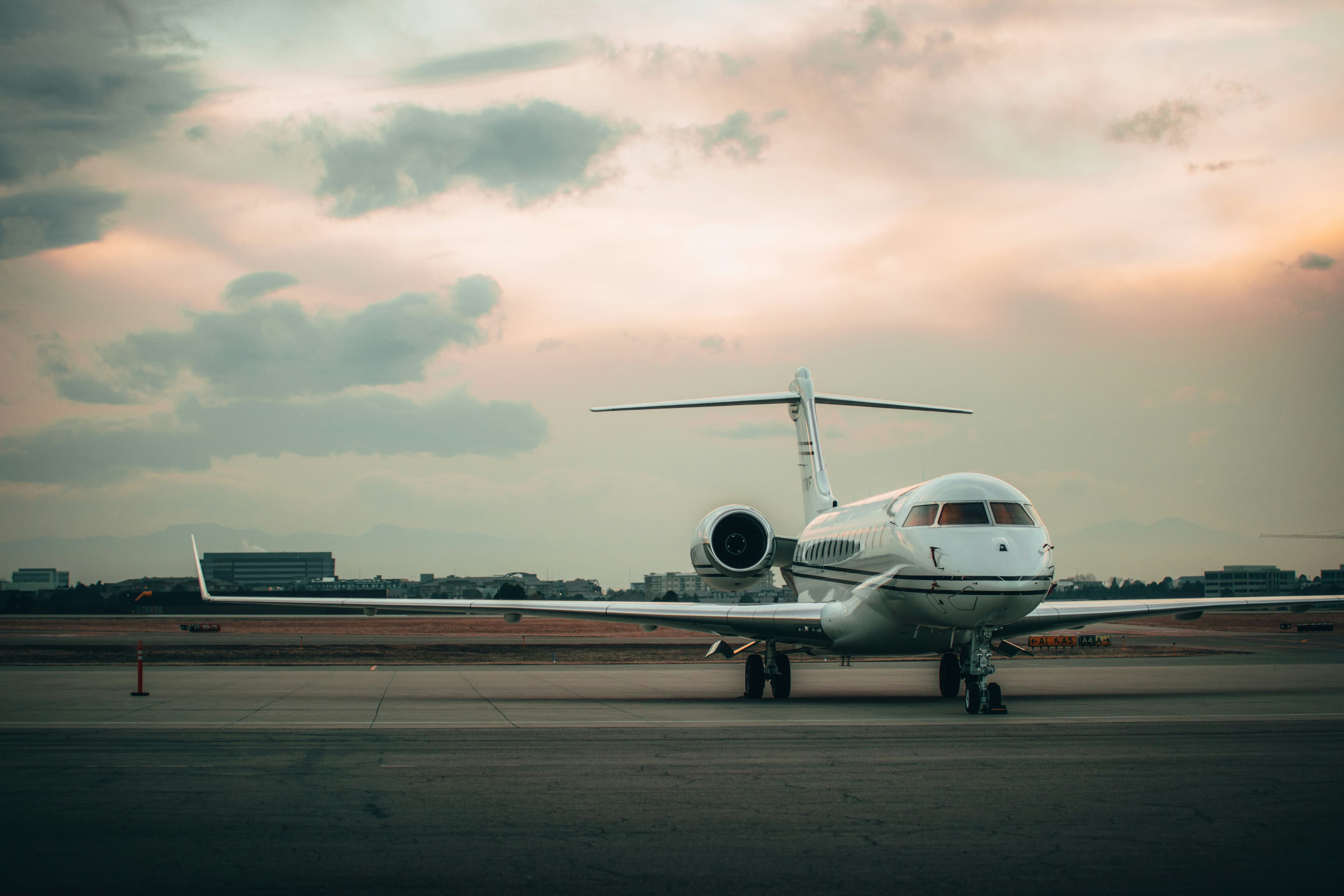
Tivat Airport (TIV), rebuilt specifically to accommodate private jet operations for the Porto Montenegro development, is the most purpose-built private aviation gateway in the Eastern Mediterranean. Porto Montenegro itself (a converted Yugoslav naval base transformed into a 450-berth superyacht marina surrounded by luxury residences, retail, restaurants, and the Regent Porto Montenegro hotel) is the social nucleus of the new Montenegro. In summer, it regularly berths 50-100 superyachts of 30-100 metres, creating one of the most concentrated displays of UHNW maritime wealth in the world.
The Bay of Kotor circuit, from Tivat clockwise around the bay to the medieval walled town of Kotor, then north to Herceg Novi and east to Perast (the baroque island churches of Our Lady of the Rocks), is one of the most scenically extraordinary drives in Europe. The drive takes two hours at a relaxed pace; FFGR Jets coordinates private vehicle circuits of the bay with local guide services, combining the port town architecture with the mountain backdrop (the Bay is surrounded by limestone karst peaks rising to 1,749 metres) for a landscape of extraordinary drama.
Albania: The Riviera and Tirana
Albania has had perhaps the most dramatic national image transformation of any European country in the past decade. The southern Riviera coast, the "Albanian Riviera," from Sarandë south to Ksamil near the UNESCO World Heritage site of Butrint, offers clear Ionian water, Greek island visibility from the shore, and a quality of beach experience that rivals Corfu or Lefkada at a fraction of the development intensity. Tirana's Nënë Tereza International Airport (TIA) handles private jets with competent FBO services; the airport-to-Riviera transfer by car is three hours (or 45 minutes by helicopter).
Tirana itself has undergone a remarkable urban transformation since the 2013 mayoral administration of Erion Veliaj: the city centre has been pedestrianised, the Grand Park replanted, and the brutalist architecture of the communist era is being repurposed as cultural venues. The Bunk'Art museums (inside the vast underground bunker built for the communist leadership in the 1970s, now housing the most extraordinary history of communism and Albanian resistance) and the National Museum of History provide cultural depth that surprises most UHNW first-time visitors.
Belgrade: The Eastern European Nightlife Capital
Belgrade, the capital of Serbia, accessible via Nikola Tesla Airport (BEG) which has a dedicated private terminal operated by AviSEC, is one of the most underrated UHNW destinations in Europe. The confluence of the Sava and Danube rivers, the Belgrade Fortress above the confluence, the bohemian Skadarlija cobblestone quarter, and the extraordinary nightlife of the floating splavovi (river club barges moored along the Sava bank, open until dawn, hosting a mix of local and international UHNW clientele) create a European capital experience of genuine originality.
The splav circuit, a uniquely Serbian nightlife institution, where river barges are converted into elaborate nightclubs that operate from midnight to 6am, is matched by a restaurant scene that has developed genuine sophistication: Langouste (modern Serbian cuisine), Salon 1905 (the former National Bank's executive dining room), and the SKC (Student Cultural Centre) wine bar have created a culinary geography that rewards exploration. FFGR Jets coordinates Belgrade programmes with local UHNW contacts who can navigate the social geography that no concierge guide captures.
The Combined Adriatic Balkans Circuit
FFGR Jets structures the combined Adriatic Balkans circuit as a 7-10 night programme: arrive Tivat (Porto Montenegro, 3 nights on the superyacht marina), light aircraft transfer to Tirana (Albania Riviera day trip or overnight at the Maritim Hotel Tirana), then Belgrade (2 nights for the cultural and nightlife programme), returning to a major hub (Vienna, Zurich, London) from Nikola Tesla Airport.
The circuit can be extended with a stop at Dubrovnik (already covered by FFGR Jets' Croatia programme) for clients wishing to combine the established Adriatic luxury circuit with the emerging one. The price differential between the established Croatian coast and the new Montenegrin and Albanian alternatives remains significant, a comparable quality of villa in Montenegro's Bay of Kotor or on the Albanian Riviera costs 30-50% of the equivalent in Hvar or Dubrovnik, making the Balkans Adriatic circuit particularly attractive for UHNW clients who value discovery over the familiar.
Fly Private to the Balkans and Adriatic
Or by email: contact@ffgrjets.com