
The first time a client boards a private jet, the defining impression is rarely the aircraft itself, it is the silence. No announcements. No queues. No shared armrest negotiations. The cabin door closes, the crew addresses you by name, and the aircraft is entirely yours. Everything that follows, the catering, the connectivity, the seating configuration, the in-flight experience, is a function of preparation. This guide covers what the best private aviation experience looks like, and how FFGR ensures every departure is executed to the same standard.
Cabin Configurations: From Light Jet to Ultra-Long-Range
Light jet cabins, Citation CJ3+, Phenom 300E, seat 6-8 passengers in a club-four arrangement: two pairs of seats facing each other across a central table. The cabin height is typically 1.45-1.55 metres; most passengers can stand only in the aisle between the seat rows. The atmosphere is intimate; conversations carry across the cabin. For short European sectors of 1-2.5 hours, this is entirely comfortable. For 4-hour sectors, the cabin constraints become relevant.
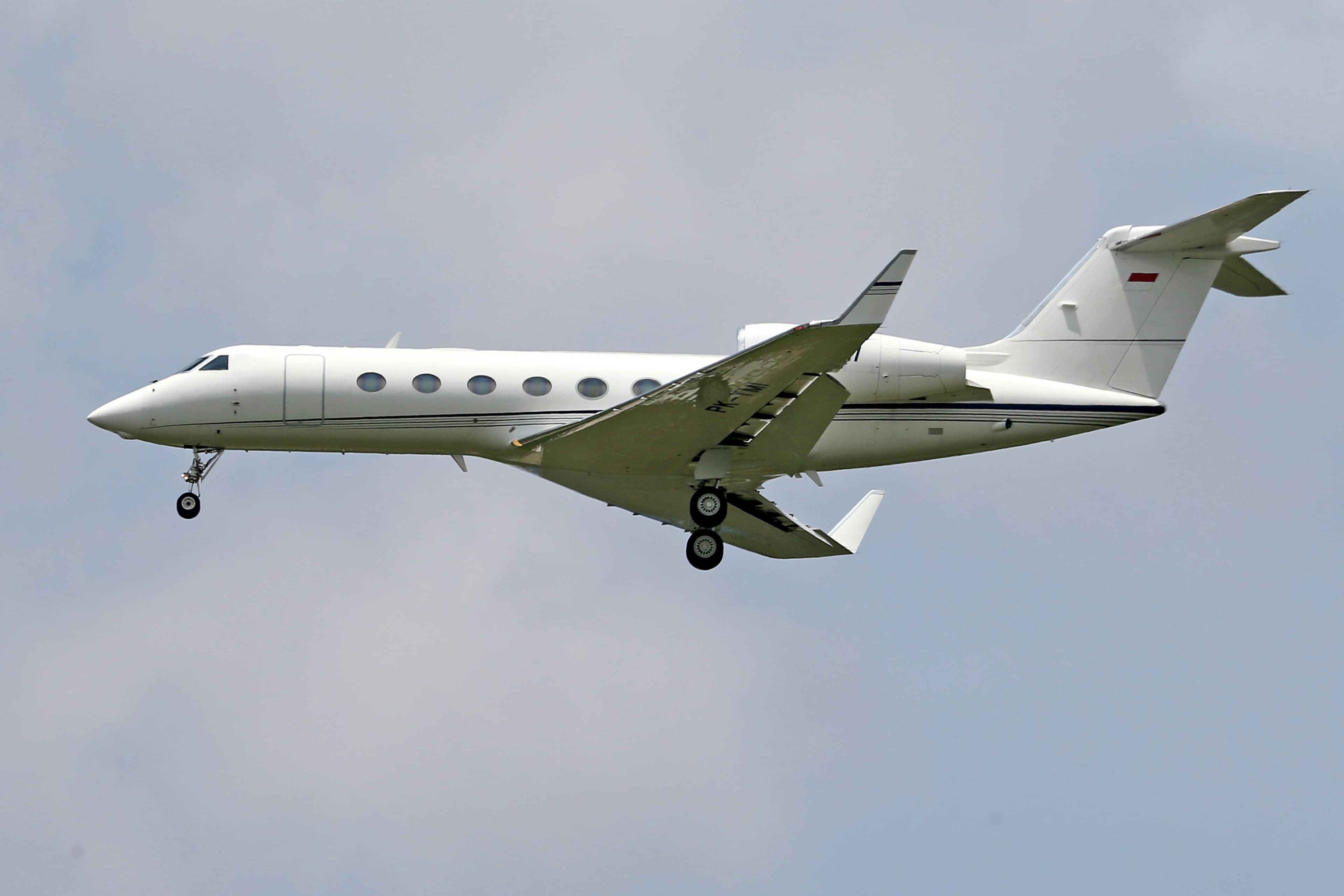
Heavy jets, Gulfstream G550, Bombardier Global 6000, Dassault Falcon 7X, offer a fundamentally different spatial experience. The G550 cabin is 14.5 metres long and 1.88 metres high; passengers can stand fully upright throughout. Multiple seating zones, a forward lounge, a central conference area, and an aft sleeping area, mean that a group of 12 can travel with genuine personal space. The ultra-long-range category adds a further dimension: the Gulfstream G700 and Bombardier Global 7500 have cabins large enough for a dedicated bedroom, stand-up shower, and a separate lounge that functions as a conference room.
Catering: From Enroute to Michelin-Level Service
Catering is coordinated by FFGR at the point of departure in collaboration with the FBO's ground services and, on request, with specific restaurants. Standard catering on a 2-hour European sector includes cold canapes, a selection of sandwiches, fresh fruit, and beverages, champagne, still and sparkling water, a curated selection of soft drinks. For a 6-hour transcontinental sector, FFGR coordinates a full dinner service with restaurant-quality mains, a cheese board, and dessert.
For clients with specific dietary requirements, no common constraint in the UHNW market, FFGR manages catering briefings in advance. Halal, kosher, vegan, allergen-specific, and medically restricted menus are all routine. The only variable is notice time: for Michelin-level catering sourced from a specific restaurant, FFGR requires 48 hours minimum. For standard premium catering from FBO facilities, 12 hours is sufficient.
Connectivity: Working Airborne at the Highest Level
Modern business jets operate with Ka-band or Ku-band satellite internet connectivity that provides speeds of 15-25 Mbps on cruise, sufficient for video conferencing, large file transfers, and any standard business application. The Gulfstream G700 and Global 7500, the current benchmark aircraft, offer connectivity speeds approaching 25 Mbps with minimal latency at cruise altitude. This is not "airline Wi-Fi"it is a genuine working internet connection that allows the cabin to function as a flying office.
Telephone communications are similarly available via onboard Iridium or satellite phone systems. For clients who conduct sensitive calls in flight, an M&A conversation, a board discussion, FFGR can arrange for the aircraft to operate in a communication-blackout mode on specific sectors: connectivity disabled, crew briefed, no external communication possible during the flight window. This is a legitimate operational protocol used by principals who require absolute discretion on sensitive routes.
Crew Standards and the Service Protocol
The cabin crew on a private jet charter, typically one flight attendant on midsize and above, with a second on heavy jets and ultra-long-range, are selected for their experience with UHNW clientele. FFGR works with operators whose cabin crew backgrounds include The Savoy, private family offices, and senior-level corporate aviation. The service standard is not "airline service done better"it is a different category entirely, comparable to a personal assistant who also manages in-flight catering and passenger wellbeing.
Crew sign non-disclosure agreements as standard. They will not discuss the identity of other clients they have served, and they do not communicate passenger manifests externally. For clients who require specific crew on repeat missions, a preference that is common among long-standing FFGR clients, the request can be accommodated on most routes subject to crew availability and scheduling.
The Departure Experience: What Happens Before Boarding
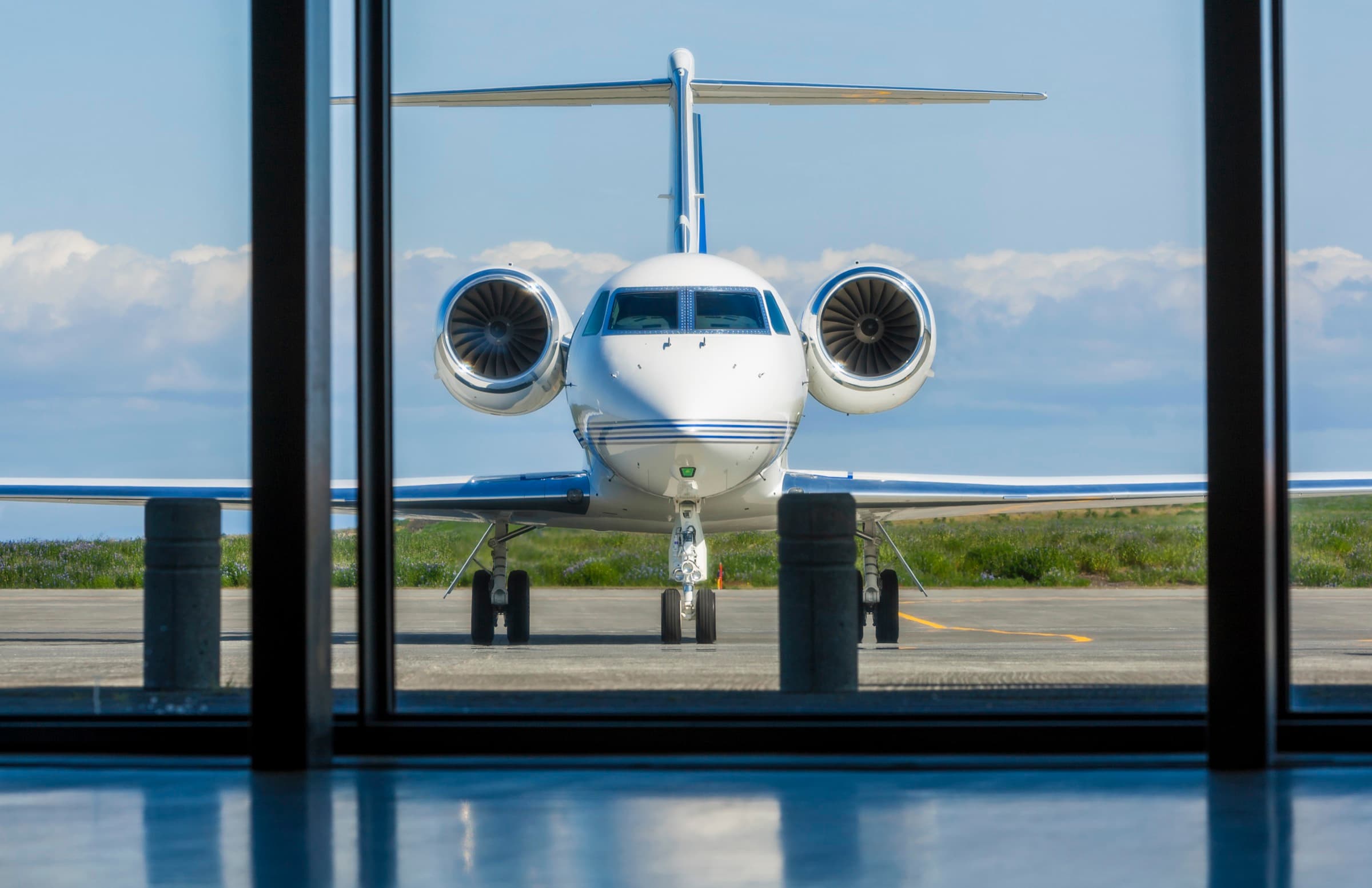
The FBO lounge experience is the antechamber of the flight itself. At Signature London Luton, TAG Aviation Geneva, or Le Bourget's business aviation terminal, the private lounge is available from the moment the client arrives. Passport control is completed in the lounge, not in a queue. The aircraft is visible through the lounge window, fuelled and ready. Boarding happens on the client's timeline, not the operator's, when the client is ready to board, they walk across the apron and board directly.
For clients arriving by car or helicopter directly to the FBO apron, a facility available at select locations including Le Bourget, Biggin Hill, and Farnborough, the time from vehicle door to aircraft door can be under four minutes. FFGR coordinates the precise arrival sequence for every departure, ensuring that the ground side of the journey is as frictionless as the air side.
Experience private aviation at its finest with FFGR Jets
Or by email: contact@ffgrjets.com