
A destination wedding at a luxury venue, a Tuscan castello, a Santorini clifftop, a French Riviera villa, a Scottish castle, requires private aviation not just for the principal couple but for the guest management logistics that a commercial aviation framework cannot support. When 80 guests are arriving from four different departure cities for a wedding in a location served by one small regional airport or no airport at all, the choice between commercial and private is not purely one of luxury preference: it becomes an operational necessity. FFGR Jets has managed multi-aircraft group wedding charters for principal clients and understands every dimension of the logistics, from the initial flight coordination to the post-wedding dispersal.
Multi-Aircraft Group Charter: The Structure
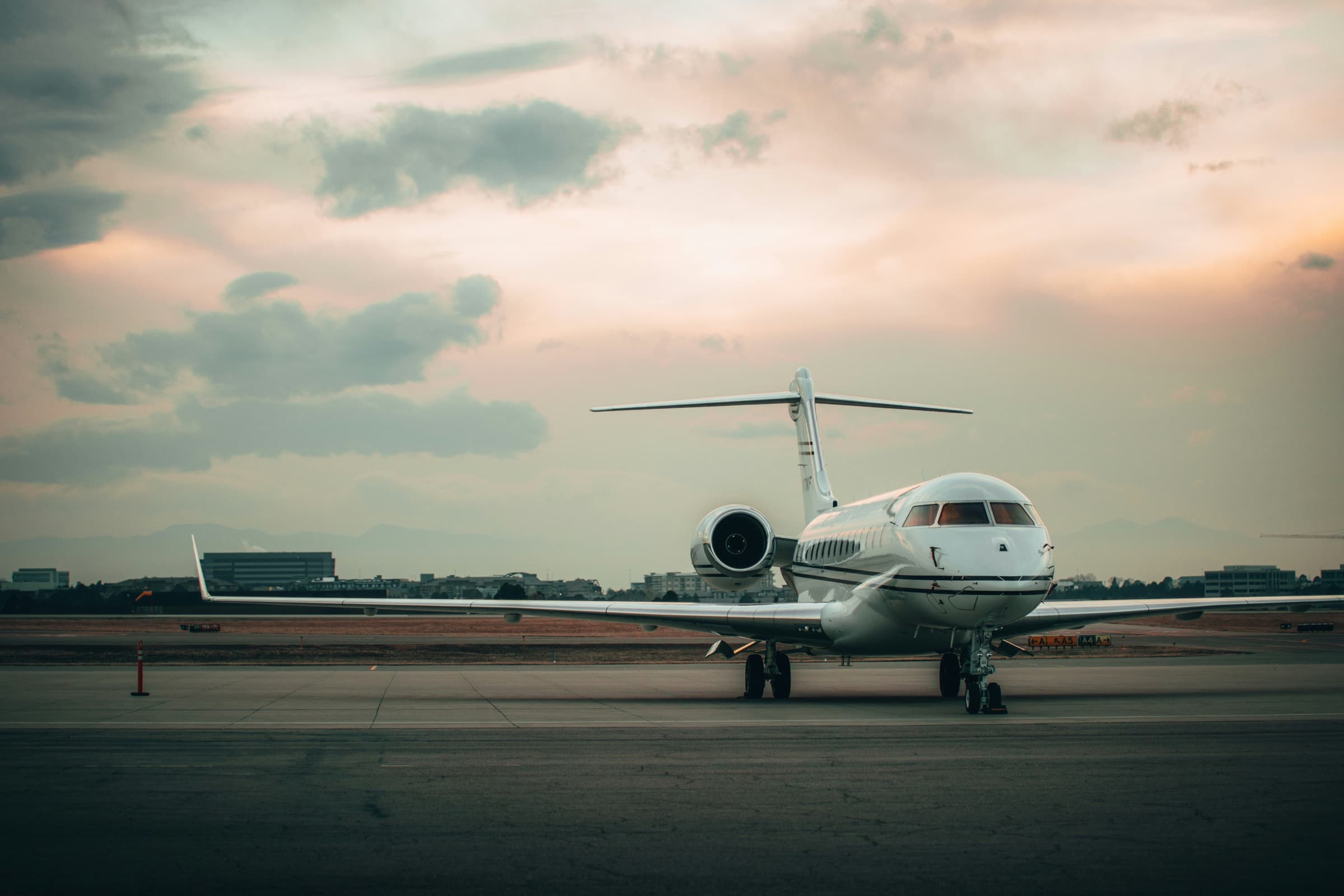
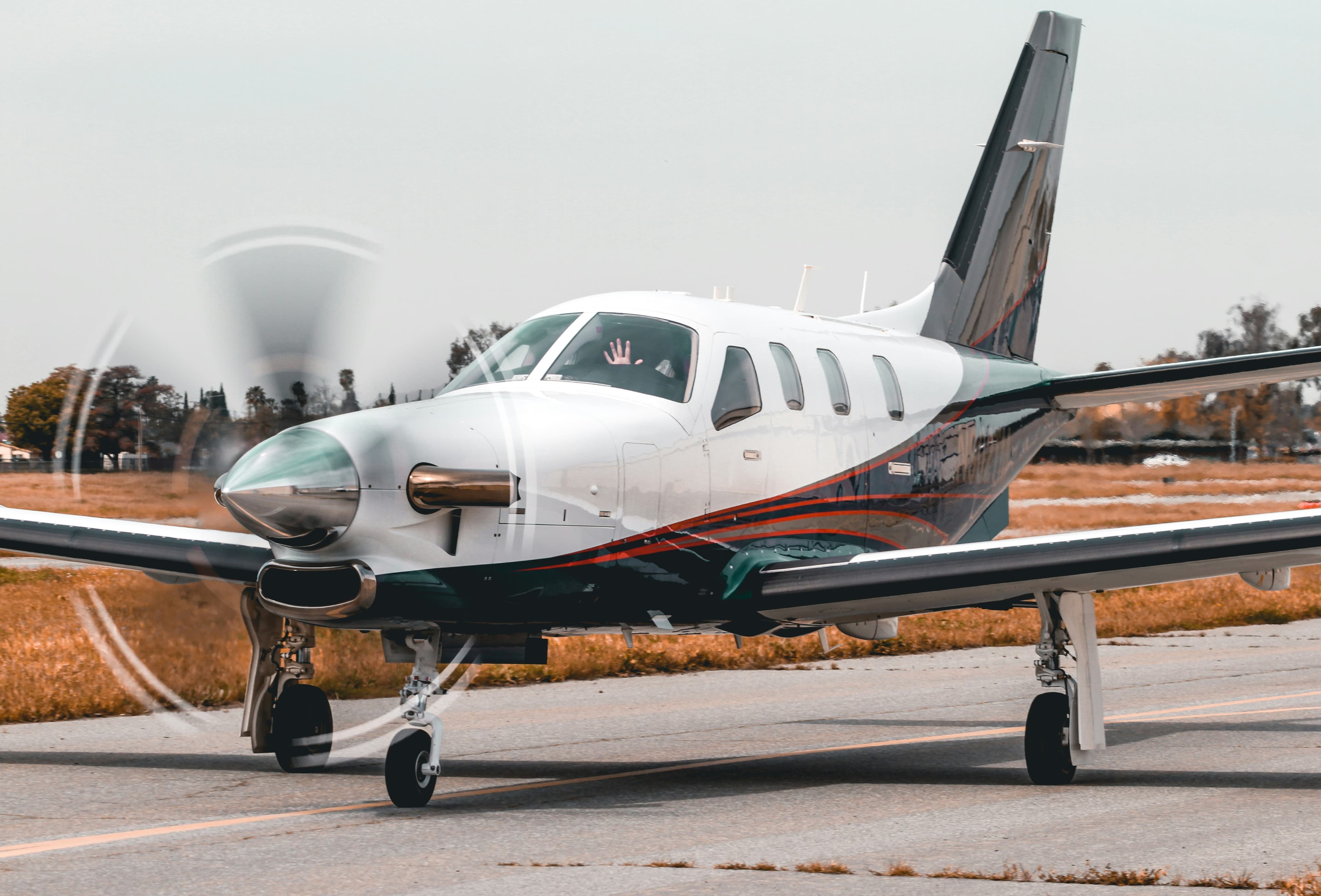
A destination wedding typically involves: the principal couple and their immediate family (usually one or two aircraft), a VIP guest tier (close family, witnesses, possibly a second aircraft or shared with the couple), and the general guest group (larger aircraft or multiple midsize jets). FFGR Jets structures the wedding aviation programme as a full fleet operation: aircraft are sourced and pre-positioned at the appropriate departure airports, coordinated into a timed arrival sequence at the destination airport (to avoid ramp congestion at small regional airfields), and operated with coordinated catering, ground transport, and departure timing on both ends.
The key decisions at the planning stage are: how many guests fly privately versus commercially (most destination weddings blend the two, with the closest family and most valued guests on private aircraft and the broader guest list on commercial connections or chartered commercial aircraft for large groups over 50 guests), the timing of inbound arrivals (concentrating arrivals over a 3-4 hour window on the day before the wedding is standard), and the choice of departure airport (guests travelling from London may use different airports, Farnborough for VIP tier, London City or Luton for the broader group).
Destination Venue Considerations
Each destination wedding venue has specific private aviation access requirements. Tuscany: the primary airports are Florence (FLR), Pisa (PSA), and Perugia (PEG); for venues in the Chianti or Siena area, Florence is typically the closest practical FBO. Santorini: Santorini Airport (JTR) has a short runway (2,125 metres) that limits aircraft size; light jets and turboprops operate comfortably, but larger aircraft must divert to Athens for overnight positioning or Heraklion. The French Riviera: Nice (NCE) serves as the hub for the entire coast; the helicopter-to-venue transfer is the standard solution for properties between Nice and the Italian border.
The Scottish Highlands: many Scottish castle venues have private airstrips on the estate or within 15 minutes by helicopter; Inverness (INV) and Edinburgh (EDI) provide the main private aviation access. For more unusual venues, a private island, a Moroccan riad complex, a Spanish parador, FFGR Jets conducts a site visit to confirm the full logistics before committing the programme to clients. Ground transport on arrival is a significant coordination challenge for multi-aircraft wedding programmes: a fleet of luxury vehicles needs to be pre-positioned at a small airport's general aviation area before the first aircraft lands.
Catering and Cabin Preparation
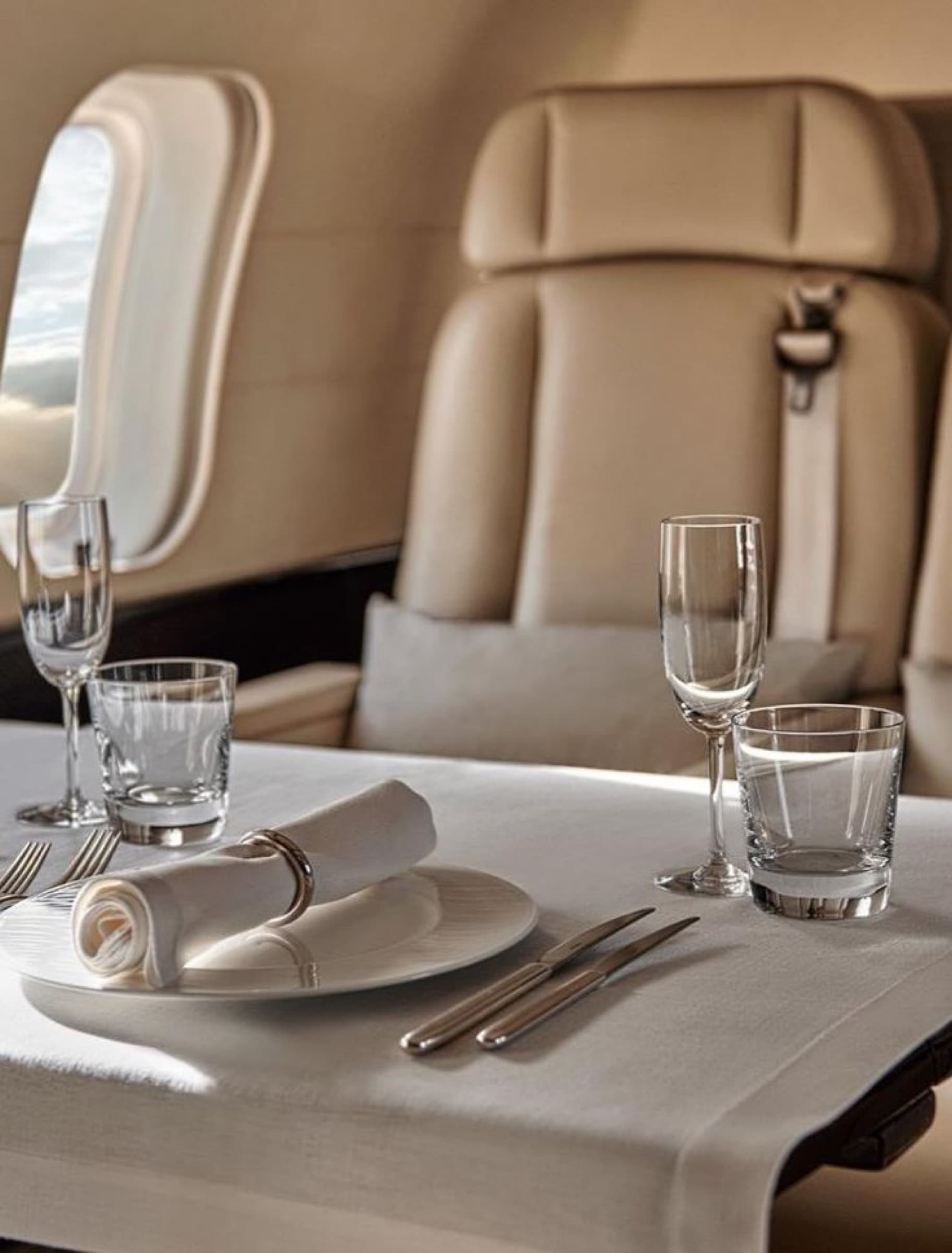
The pre-wedding flight is the first experience of the destination for many guests, and FFGR Jets treats it as an extension of the wedding hospitality. The standard wedding charter catering brief includes: champagne service on board (coordinated with the couple's preferred champagne choice), canapés or full meal service depending on sector length, personalised menus printed with the couple's initials, and fresh flowers arranged in the cabin. For the principal couple's flight, some clients request full in-flight dining with matched wine, converting the aircraft into a pre-wedding dinner experience above the clouds.
The flight crew briefing for wedding charters includes the wedding details (date, venue, key participants), the precise timing requirements for the programme, any special needs among the passenger manifest (medical conditions, dietary requirements, mobility needs), and the discretion protocol regarding photography or media at the destination FBO. FFGR Jets also coordinates the wedding return logistics: post-wedding dispersal typically involves multiple aircraft departing over a 12-hour window as guests have different return schedules, requiring a post-event aircraft availability agreement rather than a fixed departure slot.
Post-Wedding Honeymoon Positioning
The honeymoon flight, typically departing the day after the wedding, once the couple has had time to change, rest, and say final farewells, is best treated as a separate charter operation from the wedding programme. The honeymoon destination (Maldives, Seychelles, Bali, the Amalfi coast, a private island) determines the aircraft category; FFGR Jets recommends selecting the honeymoon aircraft independently of the wedding aircraft, based on the optimal range and cabin configuration for the honeymoon destination rather than the wedding location.
The FFGR Jets honeymoon positioning service includes: cabin personalisation (flowers, champagne, special amenity kit), a surprise element arranged with the groom or bride (a favourite meal, a specific bottle of wine, a personal message from the aircraft crew), and coordination with the destination resort to ensure the welcome experience aligns with the airborne experience. For clients who wish to depart the wedding venue directly to the honeymoon (same-day departure), FFGR Jets structures the operation to allow a clean transition between the wedding aircraft and the honeymoon aircraft at the departure FBO.
Plan Your Destination Wedding Aviation Programme
Or by email: contact@ffgrjets.com