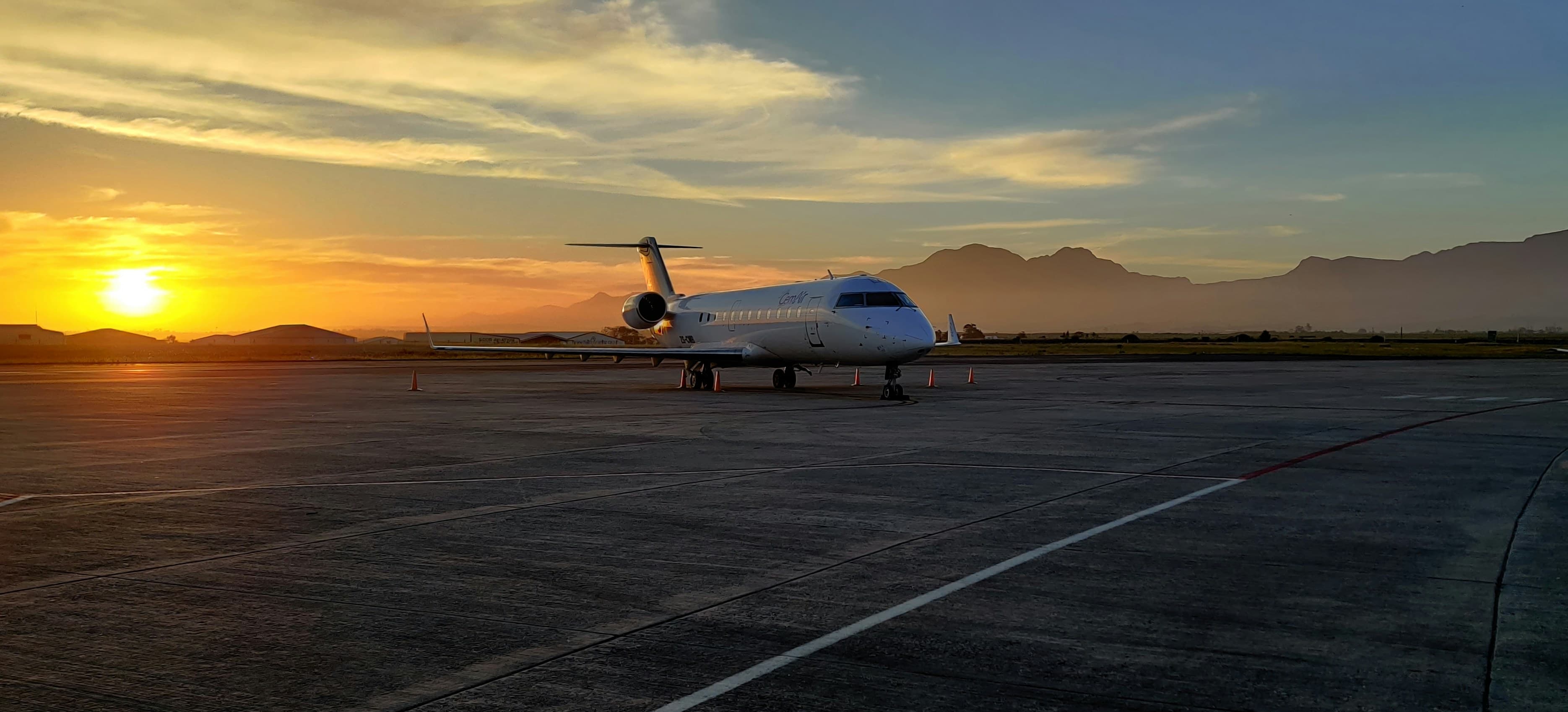

Asia-Pacific represents private aviation's most dynamic growth frontier. Singapore has become the region's preferred base for private jet operators, regulatory environment, infrastructure quality, and geographic centrality all favour it. Hong Kong, despite its political evolution since 2020, retains an active private aviation sector serving the Greater China market. Tokyo Haneda and Narita handle private movements with the precision Japan brings to every logistical challenge. Bangkok Suvarnabhumi has the most accommodating private terminal in Southeast Asia. FFGR Jets manages Asia-Pacific charters through a network of regional operators and handles all permit, overflight, and slot requirements that make Asian routing significantly more operationally intensive than European programmes.
Singapore: The Asia-Pacific Hub
Singapore Seletar Airport (XSP) is the dedicated private and business aviation airport for the island-state. Wholly separate from Changi, Seletar hosts Jet Aviation, Signature, and TAG terminals with full FBO services. Singapore's position at the intersection of Southeast Asian business travel, the Family Office boom of 2020-2024, and the super-yacht circuit that runs from Thailand down to Indonesia and the Philippines makes it the natural hub for Asia-Pacific private aviation.
From Singapore, regional circuits extend in every direction: Kuala Lumpur (30 minutes), Jakarta (1h15), Bali (2h), Bangkok (2h30), Manila (3h), and Hong Kong (3h30) are all achievable in light or midsize jets on the intra-Asia leg. For long-range positioning from Europe to Singapore, a 6,750 nm sector, a Gulfstream G700 or Global 7500 can do it nonstop from London or Paris in approximately 13 hours. FFGR Jets positions aircraft in Singapore from European bases for clients combining Europe with Asia-Pacific programmes.
Tokyo, Hong Kong, and North Asia
Tokyo presents a unique challenge in Asian private aviation: both Haneda (HND) and Narita (NRT) accept private aircraft, but the slot and permit process is bureaucratically intensive and requires advance planning. Haneda has a private aviation terminal, the Tokyo FBO, which is compact but efficient. For private groups flying into Japan for the Formula 1 Japanese Grand Prix (Suzuka, near Nagoya) or the Fuji Speedway events, Nagoya Komaki airport is the preferred entry point, with ground transport to the circuit significantly faster than from Tokyo.
Hong Kong International (HKG) has a dedicated business aviation terminal (HKBAC) at Cathay City, operating 24 hours with customs and immigration on-site. Despite the geopolitical changes of recent years, Hong Kong remains an active market for private aviation serving Greater China, financial services, and the luxury goods sector. Charter rates ex-Hong Kong to Taipei, Seoul, Tokyo, and the key mainland China cities (private aviation access to the PRC mainland requires specific Chinese CAAC permits, FFGR Jets manages these) remain among the highest in Asia per sector.
The Southeast Asia Circuit
Bangkok, Bali, and the Maldives form the leisure anchor of the Asia-Pacific circuit. Bangkok Suvarnabhumi has the most straightforward private aviation experience in Southeast Asia: the FBO area is modern, customs and immigration are fast for private arrivals, and the ground transport to central Bangkok or the Chao Phraya riverfront properties is predictable. Bali Ngurah Rai (DPS) is the entry point for the Seminyak, Ubud, and Nusa Dua resort area; a private terminal exists but is modest, the experience begins properly on arrival at the villa.
The Maldives are served by Malé Velana International (MLE), from which seaplanes distribute clients across the atolls to the resort islands. The key operational detail: private jets land at Malé, and seaplanes depart from an adjacent terminal, a 5-minute transfer. FFGR Jets coordinates the full Maldives arrival: private jet to Malé, seaplane transfer pre-arranged, and villa arrival timed to the charter flight. The Maldives seaplane circuit, Six Senses Laamu, Soneva Jani, Cheval Blanc Randheli, is a standard component of FFGR Jets Asia-Pacific winter programmes.
Navigate Asia-Pacific with FFGR Jets
Or by email: contact@ffgrjets.com