
Chartering a private jet for the first time is an experience that surprises even the most seasoned commercial travellers. The differences are not superficial, they extend to every stage of the journey, from how you book to how you board, from what you can bring on board to how your privacy is protected. This guide, written by the FFGR Jets team, is designed to give first-time charter clients a complete and honest picture of what to expect, how to evaluate your options, and how to ensure your first private flight is exactly what it should be.
Step 1: Define Your Requirements Before You Request a Quote
The most important step is clarifying your actual requirements before contacting any operator or broker. How many passengers will be travelling? What is your intended departure date and time? How much flexibility do you have? Do you have specific destinations in mind, or are you open to airports near your final destination? Do you have luggage constraints, sports equipment, artwork, pets? The clearer your brief, the more relevant the quotes you will receive.
First-time clients often underestimate the importance of specifying their time flexibility. A flight departing 3 hours earlier or later can result in dramatically different pricing and aircraft options, particularly for routes that are popular in both directions and where empty-leg opportunities exist. Share your constraints openly, a good broker will find options you would never have identified alone.
Step 2: Understanding the Aircraft Categories
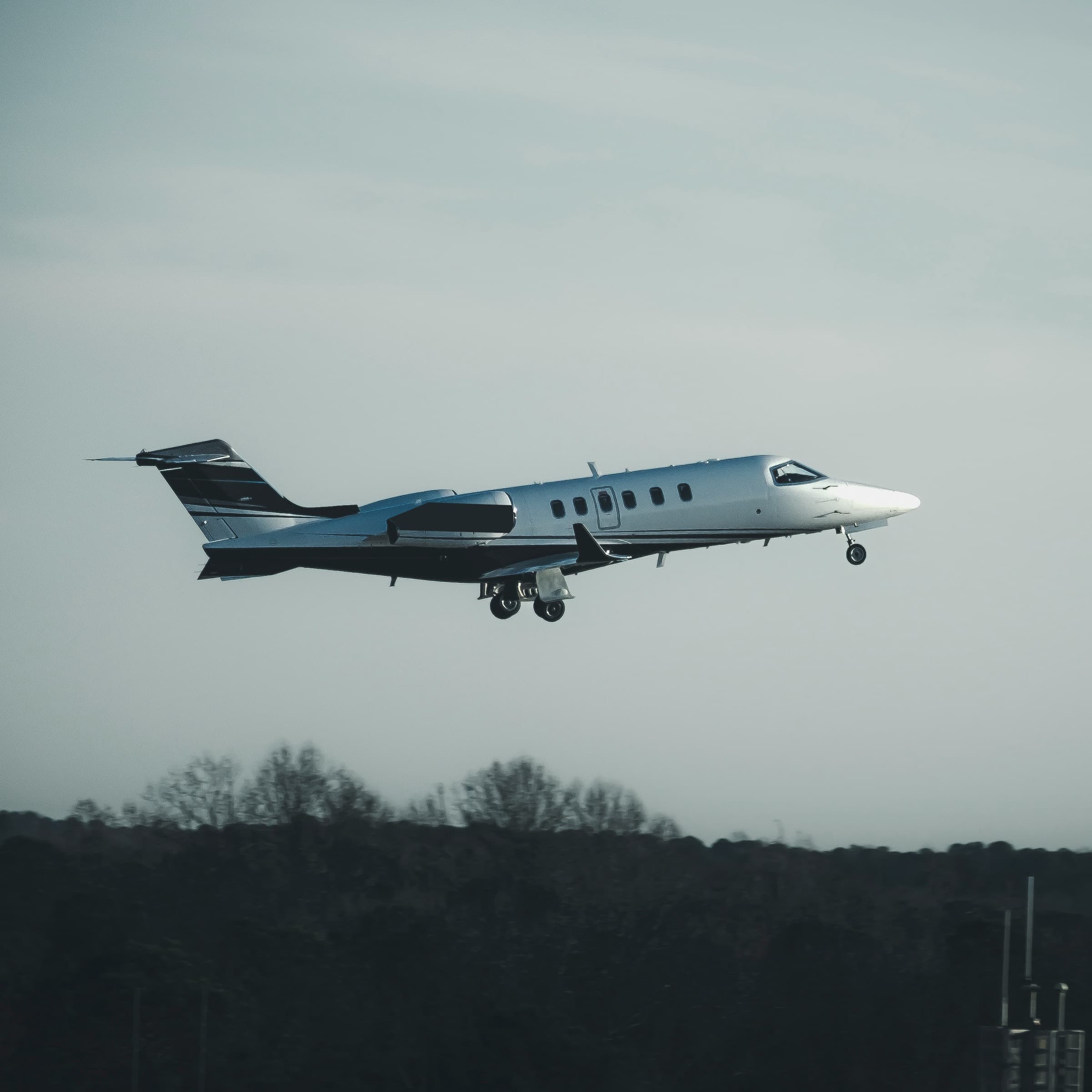
Private jets are divided into four main categories. Light Jets (Phenom 300, Citation CJ4) seat 4-7 passengers and are ideal for European routes under 3,500 km. Midsize Jets (Citation XLS+, Hawker 900XP) seat 6-9 and offer stand-up cabins with extended range. Heavy Jets (Challenger 605, Falcon 900) seat 8-14 and provide a premium cabin experience for long-distance or larger group travel. Ultra Long Range jets (Gulfstream G700, Global 7500) connect any two cities on Earth non-stop.
The right aircraft for your mission depends on three variables: number of passengers, distance, and desired cabin experience. For a first-time charter, we recommend not defaulting to the largest available aircraft, a well-specified Light or Midsize Jet often delivers a more intimate, personal experience than an oversized cabin that can feel impersonal. Let your brief drive the recommendation, not assumptions about prestige.
Step 3: Evaluating the Operator and Safety Standards
Not all private jet operators are equal. The charter market includes operators certified to the highest international standards, ARGUS Platinum, IS-BAO Stage 3, WYVERN Wingman, and others operating with far less rigorous safety cultures. When a broker sends you a quote, ask specifically about the operator's safety rating and audit history. A reputable broker will have already vetted this before presenting the option.
At FFGR Jets, we never present aircraft from operators who have not passed our internal vetting protocol, which mirrors and in some cases exceeds the ARGUS and IS-BAO standards. This means independent verification of aircraft maintenance records, crew qualifications and recency, operational procedures and insurance coverage. For a first-time charter client, this level of diligence is non-negotiable, and you have every right to ask for it.
Step 4: Understanding Pricing and What's Included
Private jet charter pricing is typically quoted as a total flight cost rather than per-person. The base price includes the aircraft, crew, standard insurance and landing fees at most airports. It does not automatically include catering (beyond standard refreshments), additional ground handling fees at premium FBOs, de-icing, international overflight permits or satellite connectivity charges. Ask for a fully itemised quote to avoid surprises.
Pricing varies enormously based on aircraft positioning. If the aircraft is already at your departure airport, you pay a straightforward sector cost. If it needs to reposition, flying empty from another base, you may be quoted a repositioning fee. Understanding this dynamic helps you negotiate. Empty legs, flights where an aircraft needs to return to its home base, can offer savings of 30 to 50% versus a standard charter price, provided your schedule is flexible enough to accommodate them.
Step 5: What to Expect at the Private Terminal
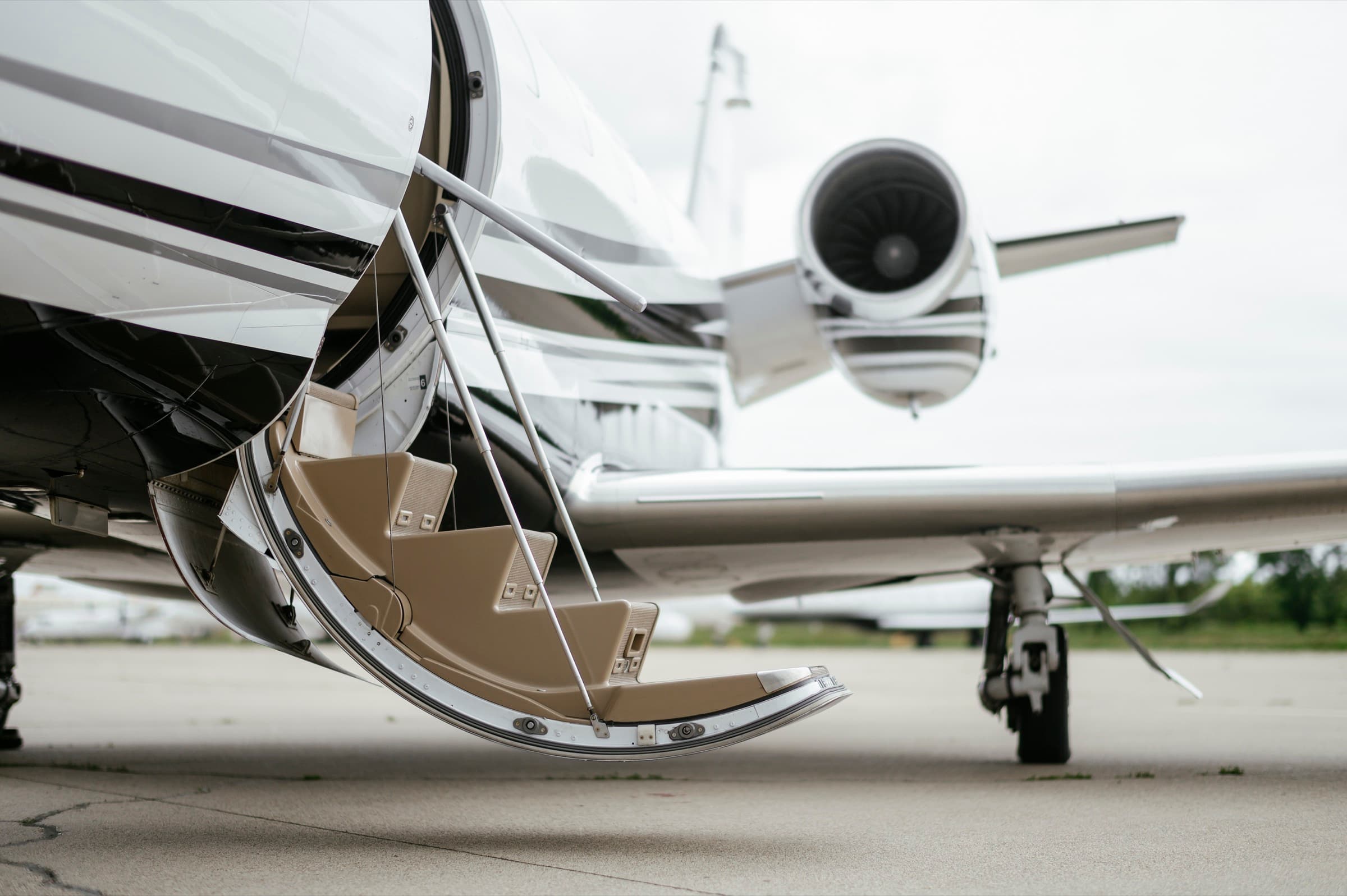
Arriving at a private terminal for the first time is a revelation for most clients. You park airside or are driven to the FBO lounge. Your luggage is handled by the handling team, no check-in, no conveyor belts, no queues. The crew meets you in the lounge or at the aircraft steps. You board when you are ready. Departure is filed for your confirmed time, but in practice the crew waits for you, not the other way around.
Security screening exists but is proportionate and professional. You will typically pass through a brief customs and security check at the FBO, this takes 5 to 10 minutes, not 45. Upon arrival, your passport is cleared directly at the private terminal, often without leaving the vehicle if your destination has VIP immigration procedures. It is a fundamentally different experience from commercial travel, and most clients who fly private even once find it very difficult to return to commercial airports.
Ready for Your First Private Flight?
Or by email: contact@ffgrjets.com