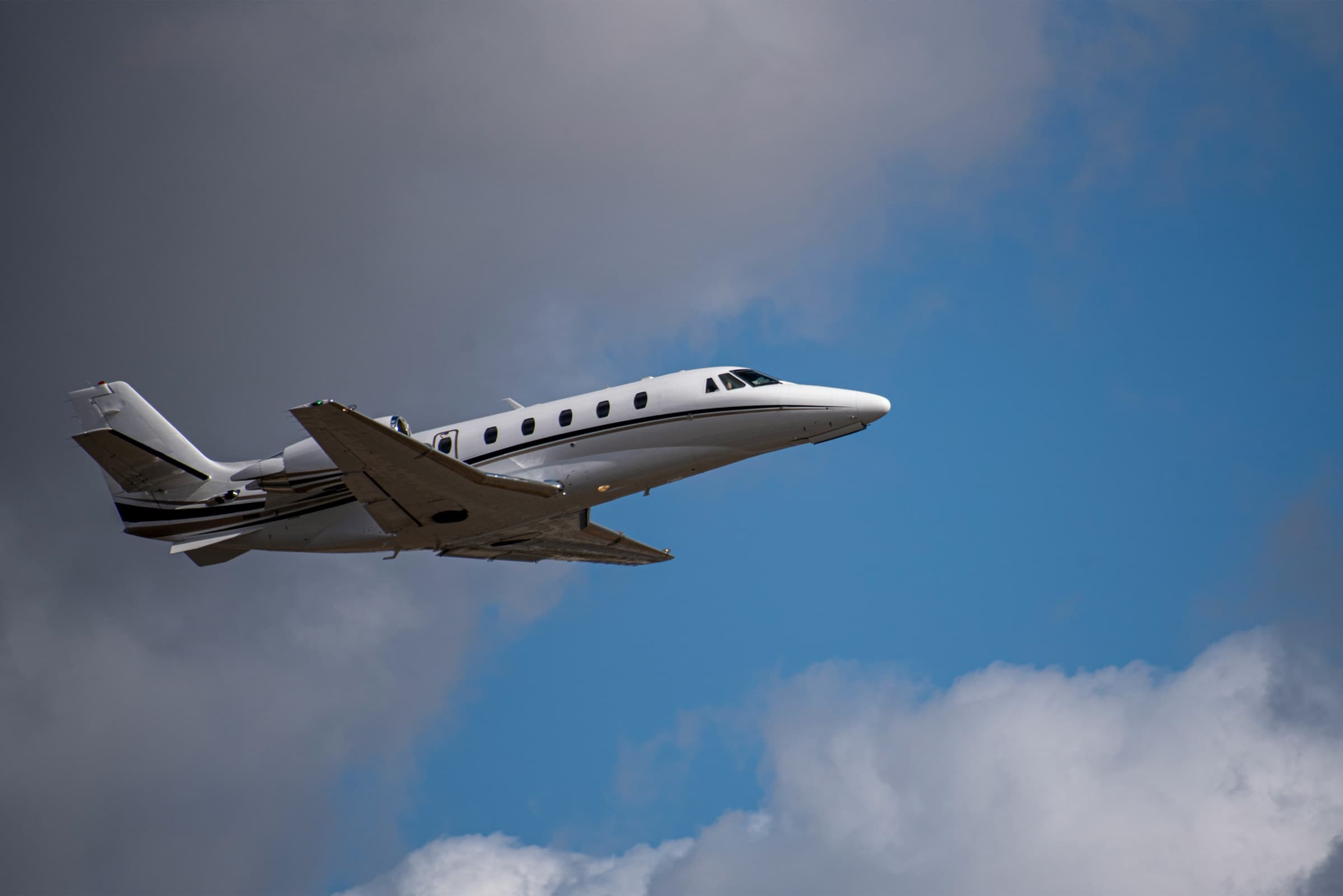
For most private jet clients, pets are not an afterthought, they are principal travellers. FFGR's Bark Air service is built on this understanding. Commercial airlines have spent years limiting, restricting and complicating pet travel; private aviation has always allowed pets in the cabin, but only FFGR has formalised this as a comprehensive service with veterinary coordination, airline-quality safety protocols for animals, and specialist aircraft configurations that make in-cabin travel genuinely comfortable for dogs, cats and the occasional more exotic companion. Bark Air is available on any FFGR Jets charter, from light jet to VIP airliner.
The Bark Air Protocol: What Happens From Door to Door
Bark Air begins with a pre-flight questionnaire completed by the principal or their household manager. We capture species, breed, weight, temperament, dietary requirements, medication schedules and any history of travel anxiety. This information is shared with our veterinary advisor, a licensed small animal vet who reviews all Bark Air bookings, and with the crew, who receive a one-page pet brief for the flight.
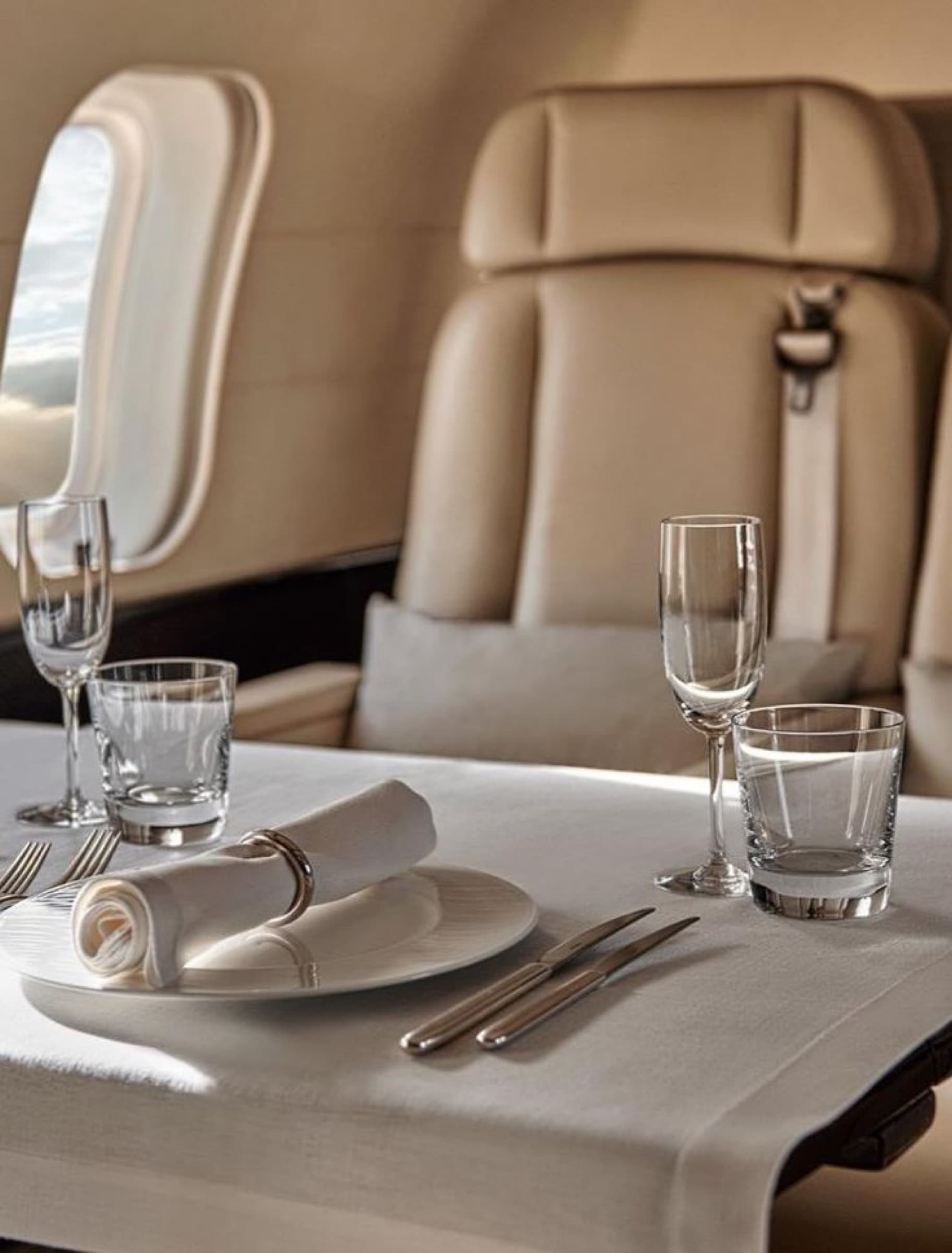
On departure day, the ground handler is briefed to anticipate a pet. The FBO lounge has a designated pet-friendly area; boarding is coordinated so the animal is settled in the cabin before the remaining passengers board. The crew has been trained in basic animal welfare observation, recognising stress signals, temperature management in the cabin (critical for brachycephalic breeds like French bulldogs and Persian cats), and the administration of veterinarian-prescribed sedation if authorised. For dogs requiring exercise during long-haul stops, FFGR coordinates a ground handler who takes the animal for a walk during technical stops.
Veterinary Clearance and Documentation: The Countries That Require It
International pet travel requires documentation that varies by destination and is more complex than most principals anticipate. EU countries require an EU Pet Passport or, for non-EU residents, a third-country pet travel certificate, microchip verification and current rabies vaccination proof. The UK, post-Brexit, requires a specific AHC (Animal Health Certificate) issued by an authorised vet not more than 10 days before travel. The UAE requires a health certificate issued within 14 days, endorsed by the relevant government authority. Some destinations, Australia, New Zealand, Japan, Singapore, impose quarantine requirements that effectively make short-visit pet travel impractical; FFGR briefs clients on these requirements at the booking stage.
FFGR coordinates with the principal's regular veterinarian to prepare the required documentation. For clients who do not have a vet on retainer, we connect them with our veterinary advisor network who can issue the relevant certificates. For complex multi-destination itineraries, we map the documentation requirements by country and confirm the validity windows, an EU health certificate has a defined validity period that may not cover a 30-day tour; a Moroccan health certificate has different requirements than a Swiss one. This paperwork complexity is managed entirely by FFGR as part of the Bark Air service.
Aircraft Selection for Bark Air: Which Jet is Right for Your Pet?
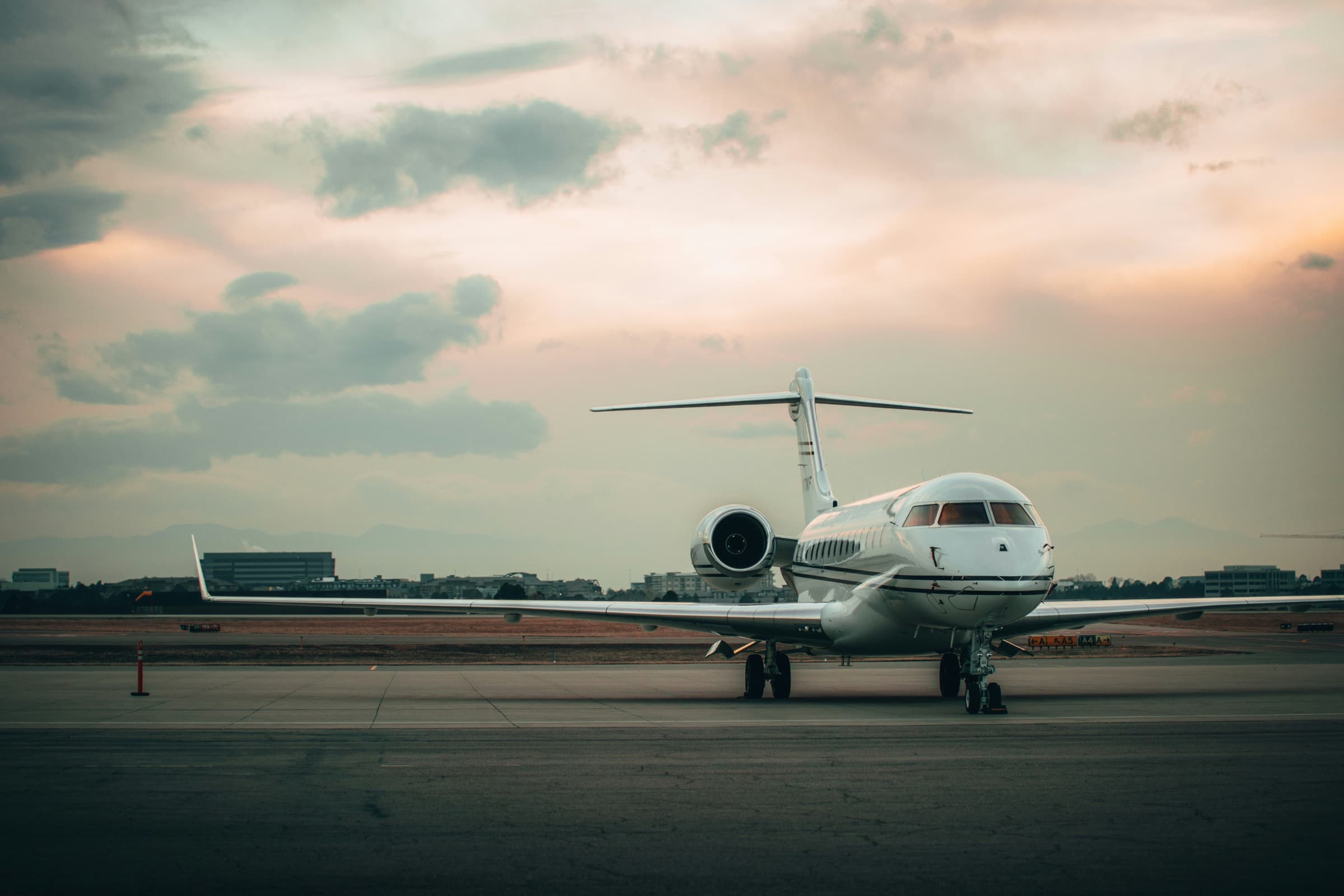
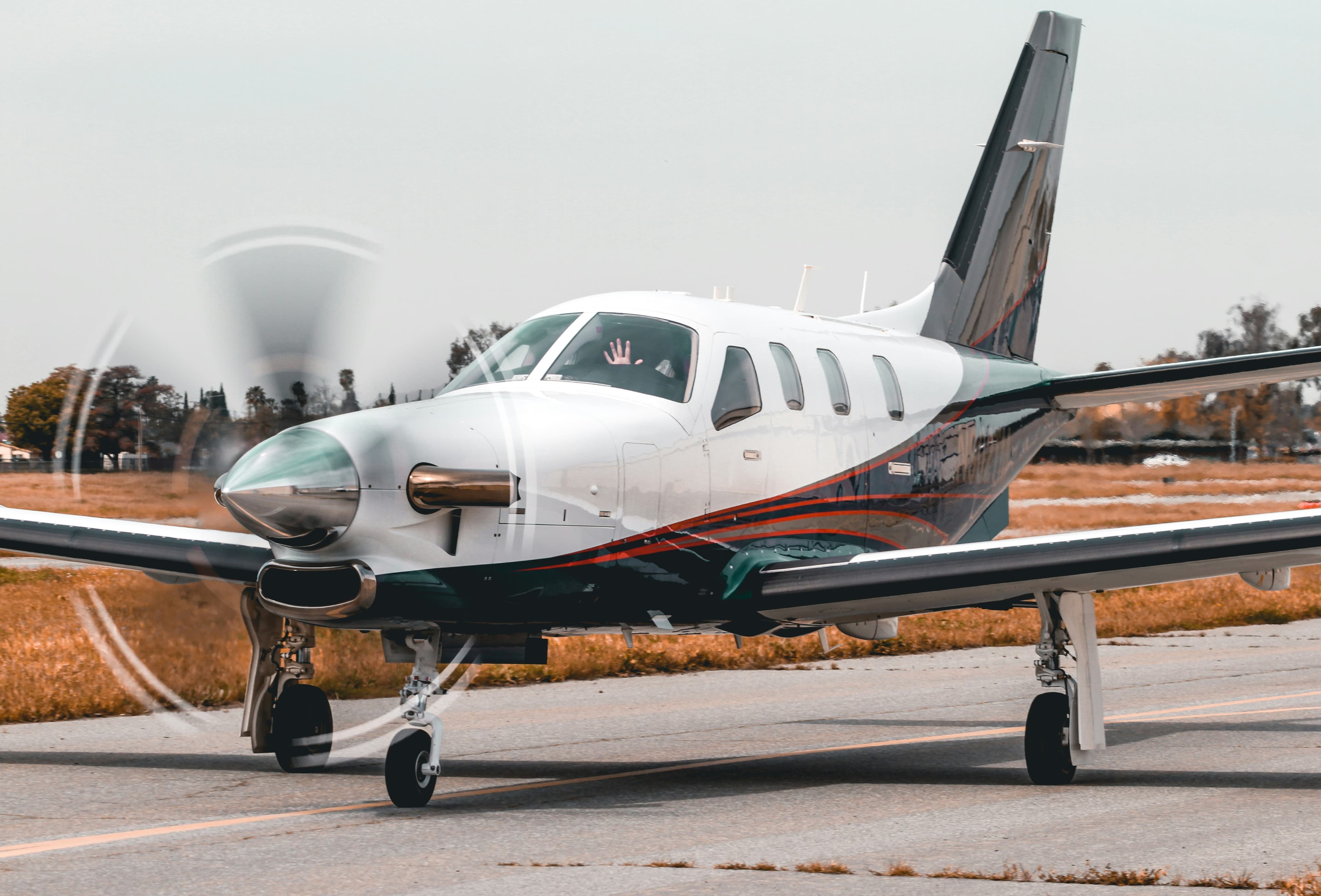
Not all aircraft are equally suited to pet travel. Light jets, Citation CJ3+, Phenom 300E, have compact cabins where a large dog will occupy the equivalent of one passenger seat. This is perfectly comfortable for well-trained animals, but requires coordination on seating configuration. Midsize and super midsize jets offer more floor space; heavy jets like the Gulfstream G550 and Falcon 7X provide genuine room for large breeds to move around the cabin. For clients travelling with multiple pets or a very large dog, FFGR recommends a heavy jet as a minimum.
The Gulfstream G650 and Bombardier Global 7500, the ultra-long-range category, are preferred for long-haul pet travel. Their larger cabins, superior pressurisation management (cabin altitude is effectively lower than on smaller jets, reducing physiological stress for animals) and longer range without fuel stops make them the most comfortable aircraft for animals on transcontinental routes. FFGR's aircraft recommendation for any Bark Air booking includes a specific note on cabin altitude and pressurisation profile.
The Bark Air Circuit: Where UHNW Clients Travel with Their Pets
The most common Bark Air routes follow the UHNW residential and seasonal circuit. Paris to Saint-Tropez (35 minutes by light jet, most clients transfer from a Paris base to their summer villa). London to Marbella or Ibiza for the summer season. Geneva to Gstaad by helicopter in winter. New York to Aspen for the ski season. Paris to Marrakech for the autumn programme. The French Riviera summer, principally Nice, Cannes and Monaco, generates the highest Bark Air demand in the FFGR network, as principals relocate to summer residences with their dogs.
Longer Bark Air itineraries are less common but not rare. Clients who relocate from Europe to the Gulf for winter, a pattern among UHNW French and Italian families with UAE residences, often bring one or two dogs on the Paris-Dubai or Rome-Abu Dhabi sectors. The documentation management for UAE pet entry, combined with the 7-hour flight time on a heavy jet, makes FFGR's comprehensive Bark Air protocol essential rather than optional for this circuit.
Book a Bark Air flight for you and your companion
Or by email: contact@ffgrjets.com